An-Najah National University (ANNU) recognizes the vital role of cooperation with government institutions and community organizations in advancing sustainable development. By partnering with ministries, municipalities, NGOs, and civil society groups, the university extends its impact beyond the campus and into society. These collaborations ensure that research, education, and community engagement align with national priorities and local needs, while also fostering public awareness and active participation in sustainability initiatives.
Key Areas of Cooperation
1. Collaboration with Government Institutions
ANNU actively engages with governmental bodies to support policy development, provide expert consultations, and implement national sustainability initiatives.
- Partnering with ministries such as the Ministry of Education, Ministry of Health, Ministry of Agriculture, and Environmental Quality Authority.
- Offering technical expertise and policy recommendations on pressing issues like water management, environmental protection, and public health.
- Contributing to national strategies for sustainable energy, clean air, and green infrastructure.
Example: Signing a Memorandum of Understanding with the Environmental Quality Authority (2024) to jointly implement a Clean Air Strategy, including the installation of an air quality monitoring system at ANNU’s Chemical Engineering Department.
Impact: Strengthens evidence-based policymaking and enhances Palestine’s capacity to address environmental and health challenges.
2. Partnerships with Municipalities & Local Authorities
The university builds strong ties with municipalities to address community development and sustainability at the local level.
- Joint urban planning initiatives and sustainable transport solutions.
- Supporting municipal waste management and renewable energy projects.
- Collaborative training programs for local officials and staff.
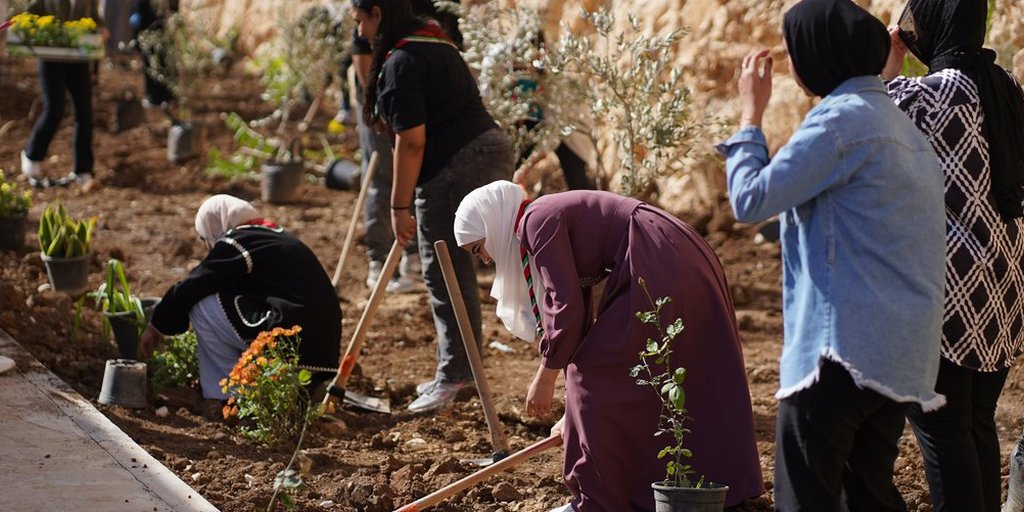
Example: Cooperation with Nablus Municipality to develop community-driven sustainability projects, including recycling programs and student-led green initiatives.
Impact: Improves the quality of life in local communities while positioning ANNU as a leader in applied sustainability.
3. Engagement with Civil Society & NGOs
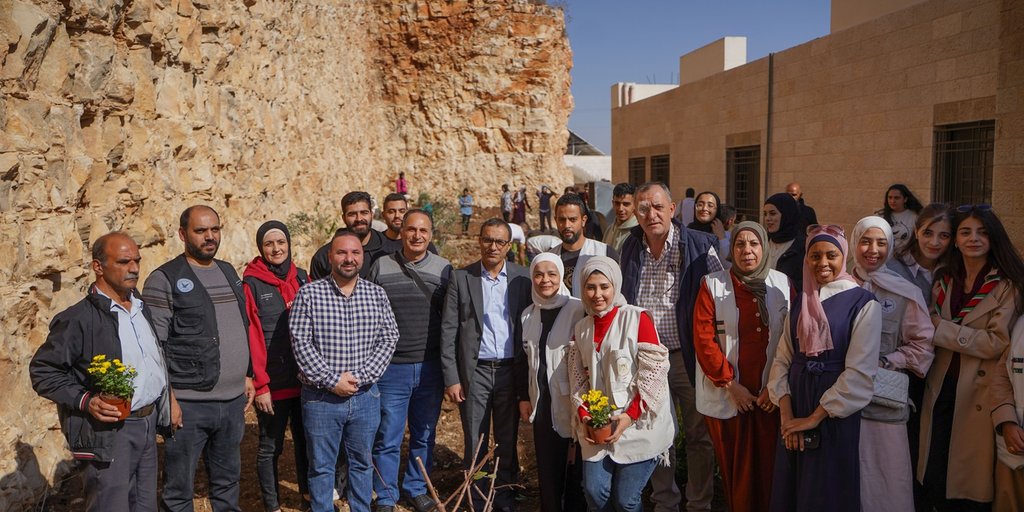
ANNU works closely with civil society organizations and NGOs to foster community participation in sustainability.
- Student volunteering and service-learning programs with NGOs.
- Co-organizing awareness campaigns on environmental conservation and social issues.
- Collaborative projects addressing SDGs such as health, education, and climate action.
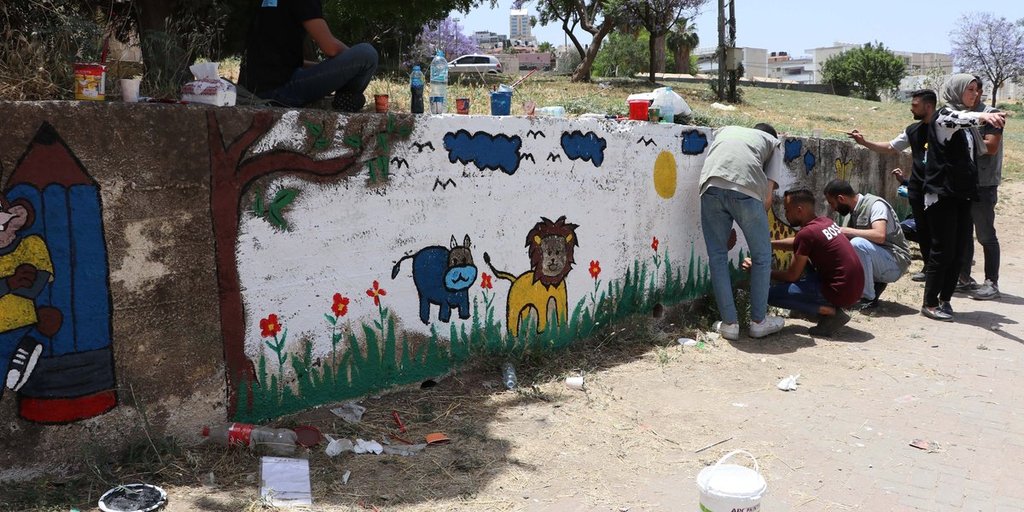
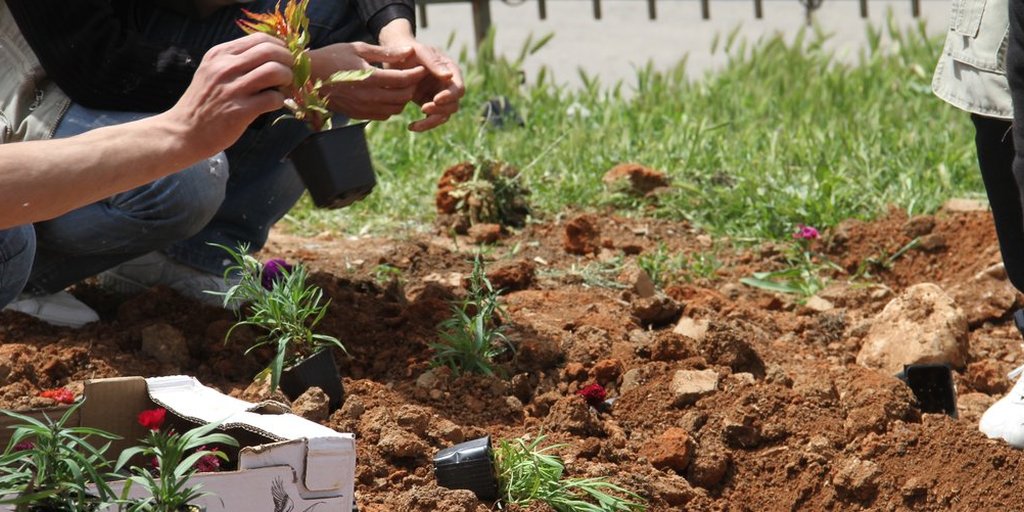
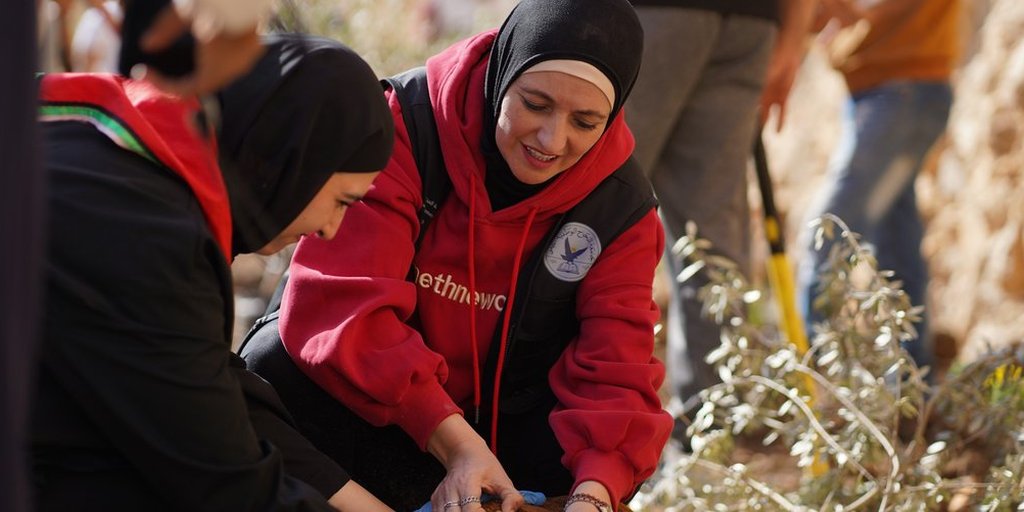
Example: The Student Association for Sustainable Development at ANNU partners with NGOs to organize community campaigns on recycling, water conservation, and renewable energy awareness.
Impact: Enhances student civic responsibility and promotes active community involvement in sustainability practices.
4. Community-Based Initiatives
ANNU integrates sustainability into its community service and outreach programs.
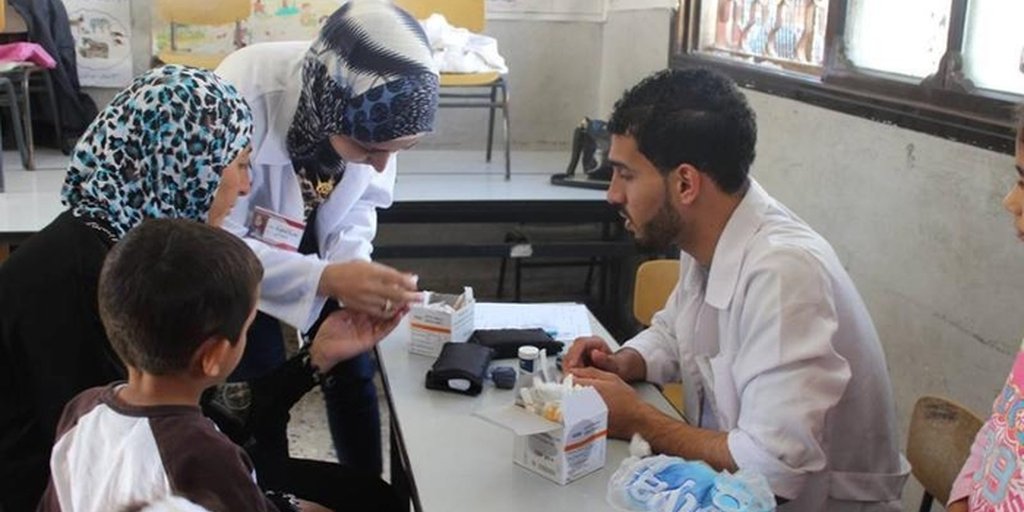
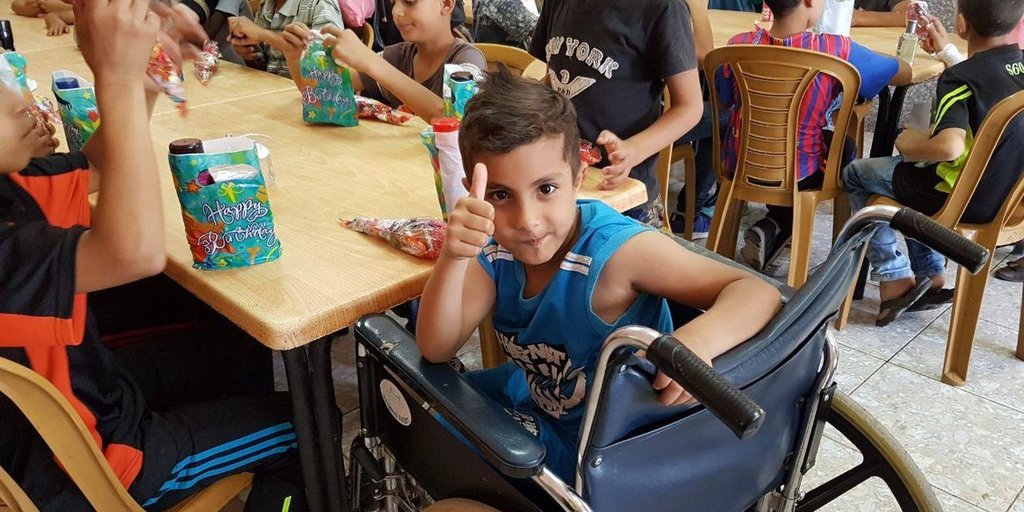
- Offering training and workshops for schools, community centers, and youth groups.
- Launching public health awareness campaigns in collaboration with the Ministry of Health and WHO.
- Supporting rural communities with innovative solutions in water, energy, and food security.
Example: Through the Community Service and Continuing Education Center, ANNU delivers training on entrepreneurship, environmental awareness, and social innovation.
Impact: Empowers communities with knowledge, skills, and resources to build a more sustainable future.
Achievements & Impact
Through its government and community cooperation, ANNU has:
- Influenced national policies and environmental strategies.
- Implemented community sustainability projects with measurable social and environmental outcomes.
- Promoted student and faculty engagement in solving real-world problems.
- Strengthened its role as a bridge between academia, government, and society in Palestine.