At An-Najah National University (ANNU), partnerships and collaboration form a central pillar of the university’s vision for sustainability and academic excellence. By engaging with local stakeholders, government agencies, civil society organizations, and international institutions, ANNU strengthens its role as a catalyst for positive change in Palestine and beyond. These collaborations support knowledge exchange, foster innovation, and create practical solutions to address pressing societal and environmental challenges. Through strong local alliances and active participation in global networks, the university ensures its academic and research efforts contribute directly to advancing the United Nations Sustainable Development Goals (SDGs).
1. Local & National Partnerships
Water & Environmental Collaboration
ANNU works closely with national stakeholders such as:
- Palestinian Water Authority
- Ministry of Agriculture
- Water Sector Regulatory Council (WSRC)
- Environment Quality Authority
- Ministry of Local Government
- UNESCO National Office
These partnerships focus on improving water governance, sanitation, and sustainable resource management (ANNU – Clean Water & Sanitation Collaboration).
Example: In August 2024, ANNU signed a Memorandum of Understanding with the Environmental Quality Authority to implement the Clean Air Strategy Project. The agreement included the installation of an IQAir AirVisual Outdoor air monitoring device at the Chemical Engineering Department and the development of joint knowledge-sharing workshops (ANNU – MoU with Environmental Quality Authority).
Sustainability Impact: Enhancing air quality monitoring and environmental awareness while fostering scientific solutions to local challenges.
2. Collaboration with NGOs
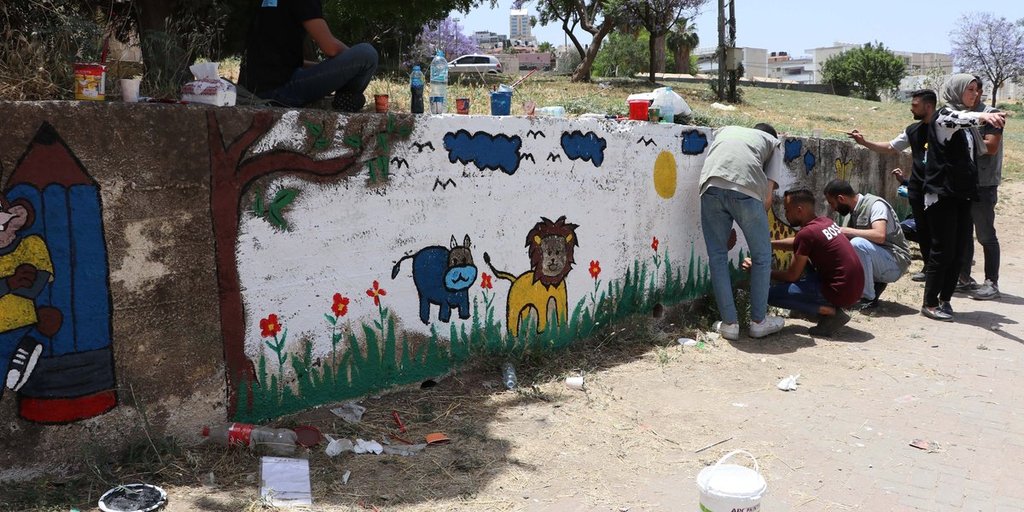
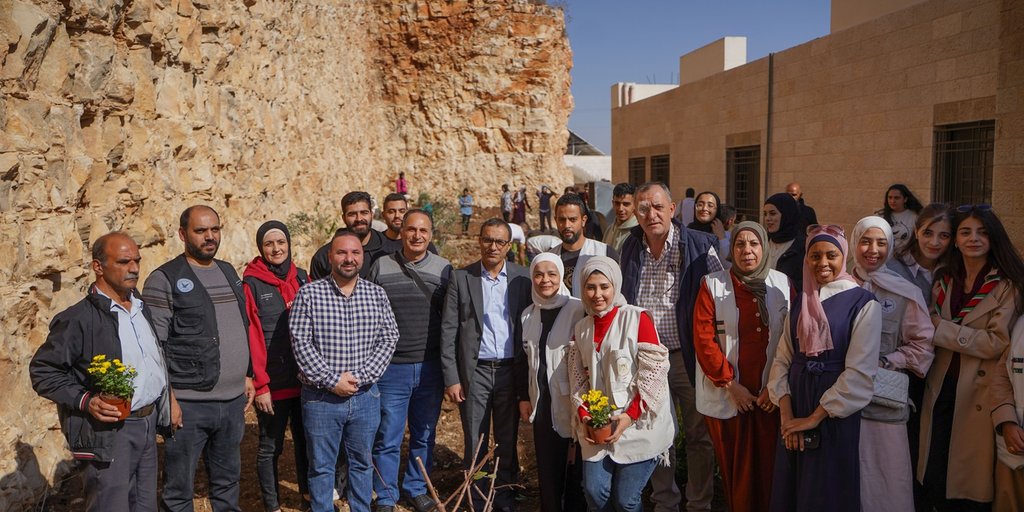
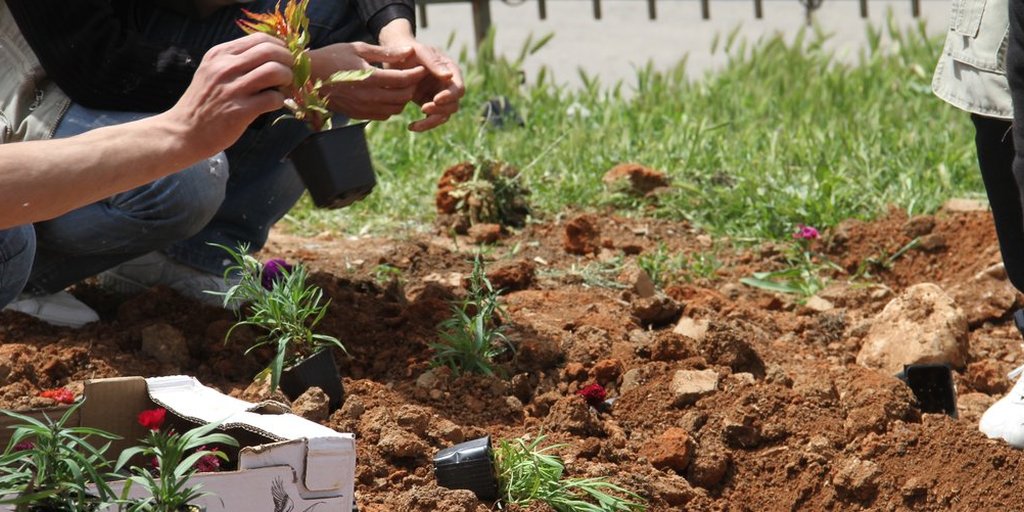
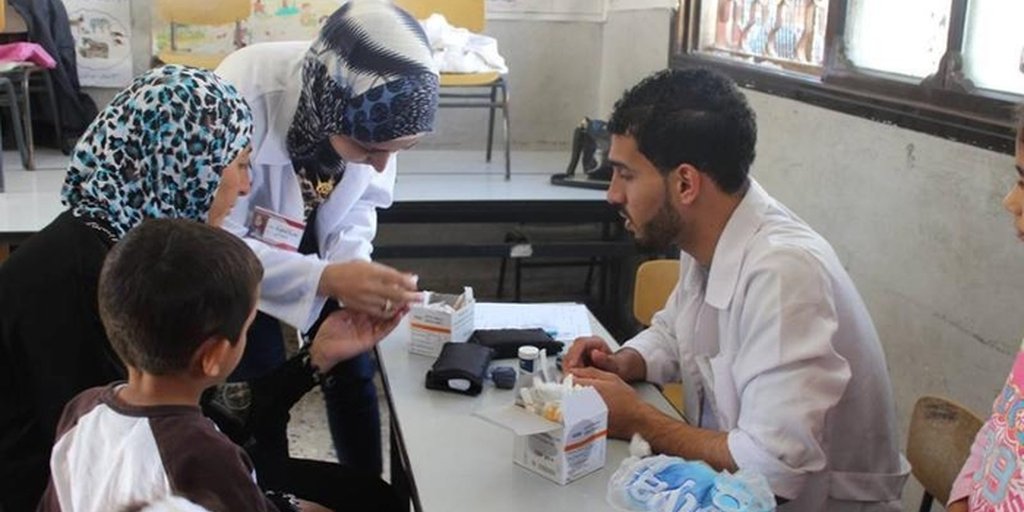
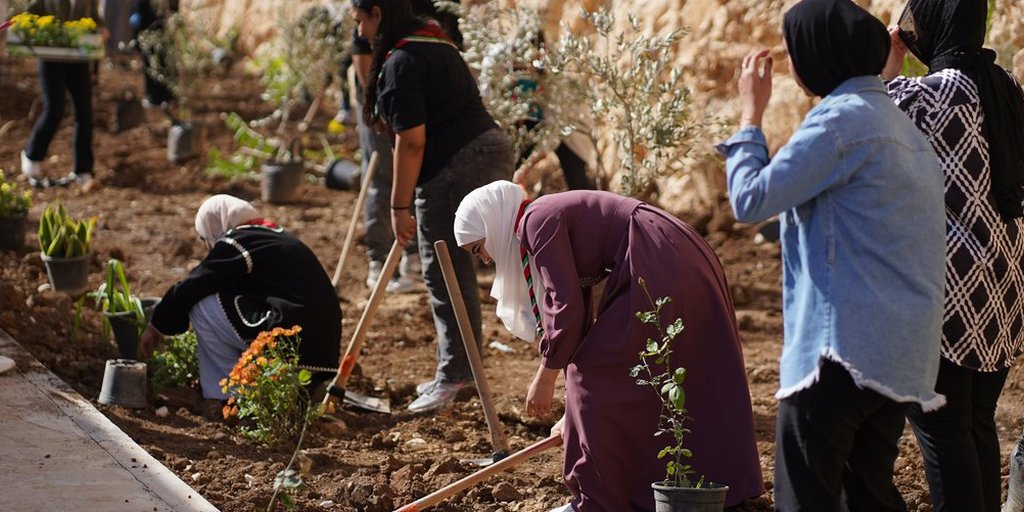
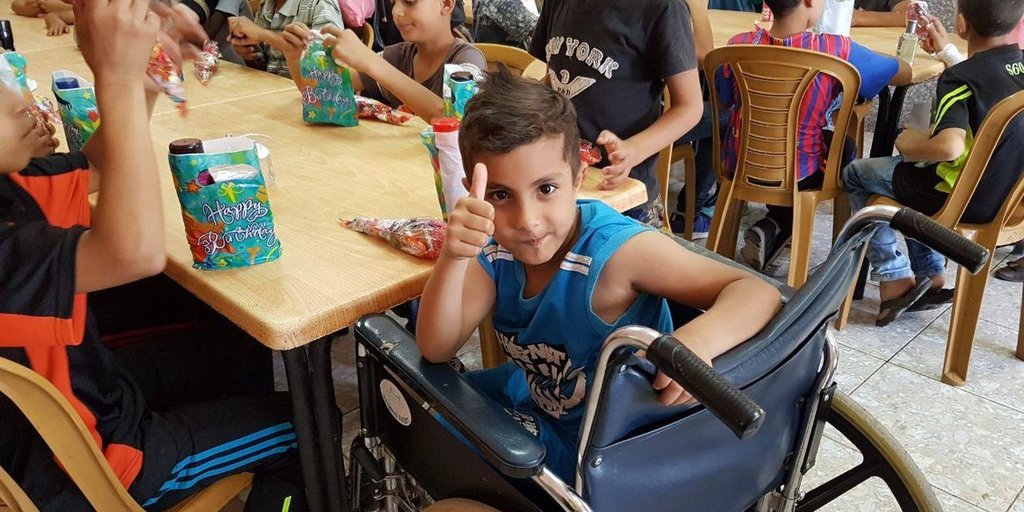
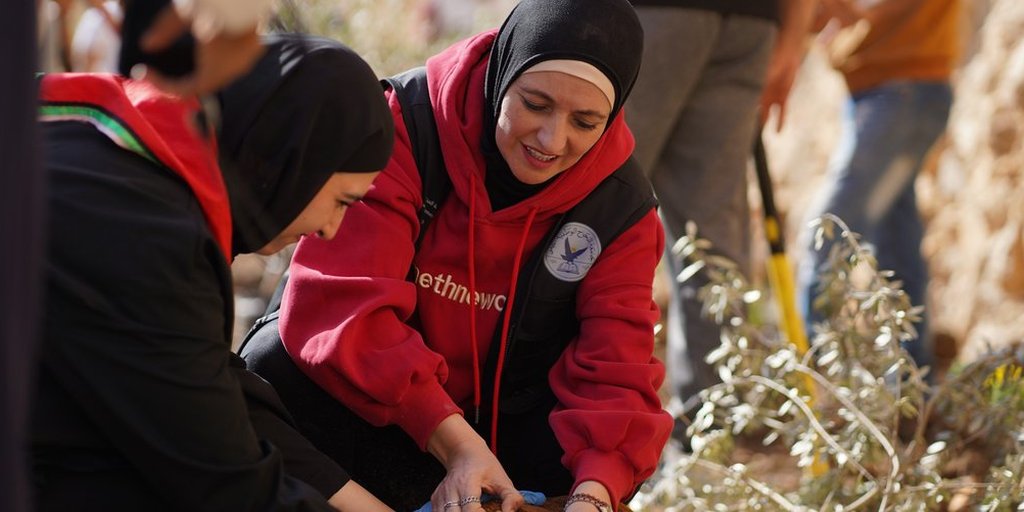
ANNU partners with local and international NGOs to expand the reach of sustainability initiatives. These collaborations enable the university to implement community-based projects, student-led initiatives, and environmental campaigns that directly contribute to achieving the SDGs (Collaborative NGOs & SDGs).
Sustainability Impact: Strengthening community engagement, knowledge transfer, and grassroots solutions to environmental and social issues.
3. International Partnerships & Global Projects
Environment & Sustainability Research Center
Established in 2022, the Environment and Sustainability Research Center serves as a hub for applied research and policy engagement in climate adaptation, environmental quality, and sustainable resource management. It operates through diverse local and international partnerships (ANNU Environment & Sustainability Research Center).
International Development Projects
ANNU plays a leading role in multiple global projects supported by the EU, UN, and other international partners (International Projects & Initiatives):
- Sustainable Agriculture & Food Security – Promoting climate-smart agricultural practices with development agencies.
- Orange Knowledge Programme (OKP) – Capacity building in water, sanitation, and sustainable agriculture.
- SFI SDG Challenges (with the University of Limerick) – Identifying key SDG challenges and creating collaborative frameworks.
- ETRERA_2020 – A Mediterranean renewable energy research alliance.
- 5TOI_4EWAS – Multi-sectoral innovation addressing energy, water, and agriculture.
- CliVEx – Virtual exchange for climate change education.
- BREEDTECH – Capacity building in plant breeding and biotechnology for sustainable agriculture.
- Other initiatives:
- Nexus approaches for water–energy–food security.
- Environmental health monitoring with the WHO.
- Social entrepreneurship initiatives with UNDP.
- Renewable energy projects with USAID.
- Education for sustainable development programs.
- UNESCO collaborations on archaeological heritage protection.
- Climate adaptation research in the Mediterranean.
- Inclusive education programs under Erasmus+.
- Public health campaigns with the Ministry of Health and WHO.
Sustainability Impact: These projects embed ANNU into international networks of excellence, ensuring knowledge exchange, innovative solutions, and capacity building across multiple sustainability domains.
4. Impact of Partnerships
Level | Outcomes & Impact |
Local | Improved water and environmental management, introduction of modern monitoring technologies, enhanced public awareness. |
Institutional | Strengthening applied research capacity, developing centers of excellence, and aligning policies with sustainable development goals. |
Global | Adoption of best international practices, advancing multi-sectoral sustainable development projects, and contributing to global SDG data collection. |