An-Najah National University (ANNU) places strong emphasis on its societal and developmental role by implementing sustainable initiatives and programs that raise community awareness, provide impactful services, and foster effective partnerships. Committed to advancing the United Nations Sustainable Development Goals (SDGs), the university serves as a bridge between academic knowledge and real-world community needs, integrating academic excellence with social responsibility to create a positive and lasting impact on both local and global communities.
An-Najah National University (ANNU) has positioned itself as a leading institution in environmental sustainability through a wide range of green programs, awareness campaigns, and sustainable resource management projects. These efforts aim not only to reduce the university’s ecological footprint but also to inspire students, staff, and the surrounding community to embrace sustainable lifestyles.
Clean Water and Sanitation
ANNU has invested in sustainable water management systems that prioritize both quality protection and efficient usage. The university operates advanced wastewater treatment facilities that recycle and reuse treated water for irrigation in the agricultural campus. In parallel, rainwater harvesting projects and water conservation awareness campaigns have been introduced, ensuring that water resources are safeguarded against pollution and overconsumption.
- These programs enhance public health and contribute to the UN SDG 6 (Clean Water & Sanitation).
- The university also collaborates with researchers and local authorities to develop innovative solutions for wastewater management, making the campus a living laboratory for sustainable water practices.
Affordable & Clean Energy
To address the challenges of energy dependence and climate change, ANNU has implemented large-scale solar photovoltaic (PV) projects across its campuses. These systems significantly reduce reliance on traditional electricity sources, cutting both costs and carbon emissions.
- Energy-saving technologies such as LED lighting, smart building automation, and energy-efficient appliances are widely adopted.
- The university’s Energy Research Center drives innovation by integrating renewable energy solutions into both academic curricula and community-based projects, strengthening Palestine’s transition toward clean and sustainable energy.
- These initiatives directly advance UN SDG 7 (Affordable & Clean Energy) and make the university a national role model in renewable energy adoption.
Linking Water & Energy Initiatives with Environmental Campaigns
The interconnection between water and energy is at the heart of ANNU’s Environmental & Green Campaigns. Clean water initiatives reduce environmental pollution and ensure efficient water usage, while renewable energy projects lower greenhouse gas emissions and promote energy independence. Together, they create a synergistic impact on environmental sustainability.
Examples of integrated environmental campaigns include:
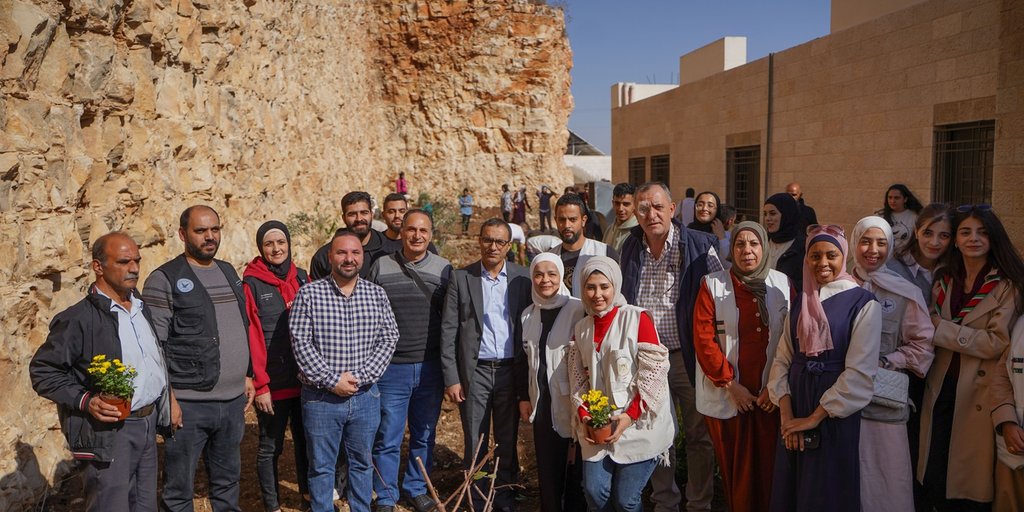
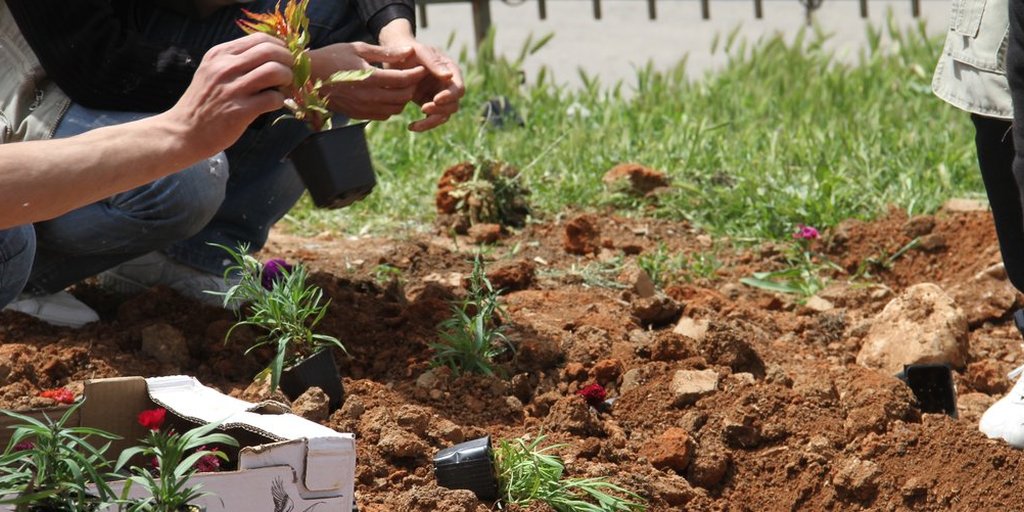
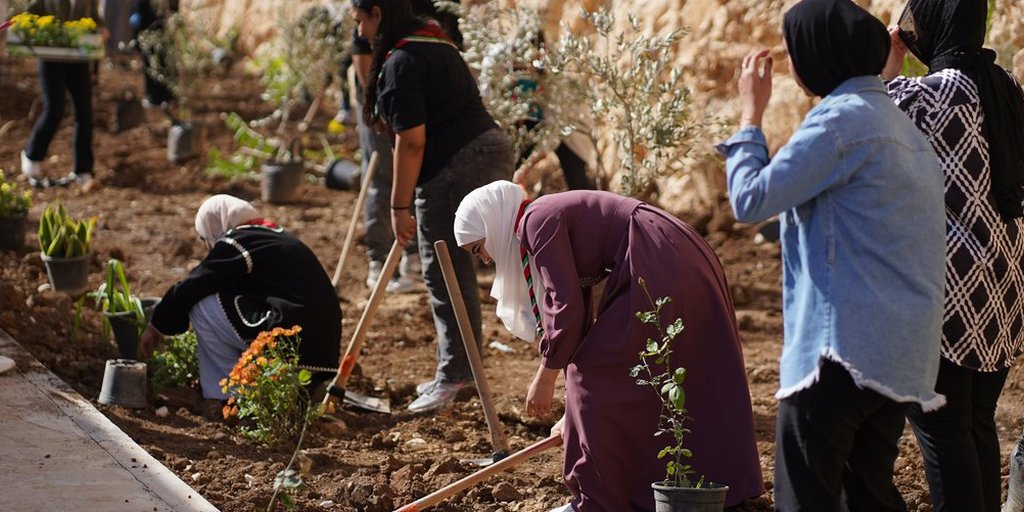
- Tree Planting Campaigns: Using treated wastewater for irrigation enhances green spaces and supports biodiversity.
- Recycling and Waste Reduction: Energy-efficient operations reduce waste generation and encourage circular economy practices.
- Energy & Water Conservation Programs Students and staff are encouraged to adopt 3R principles (Reduce, Reuse, Recycle) in both water and energy use.
- Green Days Events: Awareness activities highlight the connection between clean water, renewable
An-Najah National University (ANNU) advances community health through coordinated programs in awareness, prevention, psychosocial care, and healthy living. Efforts target students, staff, and surrounding communities, with a focus on inclusion and access.
Strategic Focus
- Health Awareness Campaigns: Semester-long and pop-up campaigns on infectious diseases, NCDs (diabetes, hypertension), oral health, tobacco cessation, reproductive health, and environmental health (air, water, waste).
- Psychosocial Support: Confidential counseling, group therapy, stress-management workshops, crisis response, and referral pathways.
- Nutrition & Wellness: Healthy-diet education, sports and activity programs, screenings (BMI, blood pressure, glucose), and “active campus” challenges.
SDG alignment: SDG 3 (Good Health & Well-being), SDG 4 (Quality Education), SDG 5 (Gender Equality), SDG 10 (Reduced Inequalities), SDG 6 (Clean Water & Sanitation), SDG 12 (Responsible Consumption & Production).
Delivery Arms (Who Does What)
1) Faculty of Medicine & Health Sciences
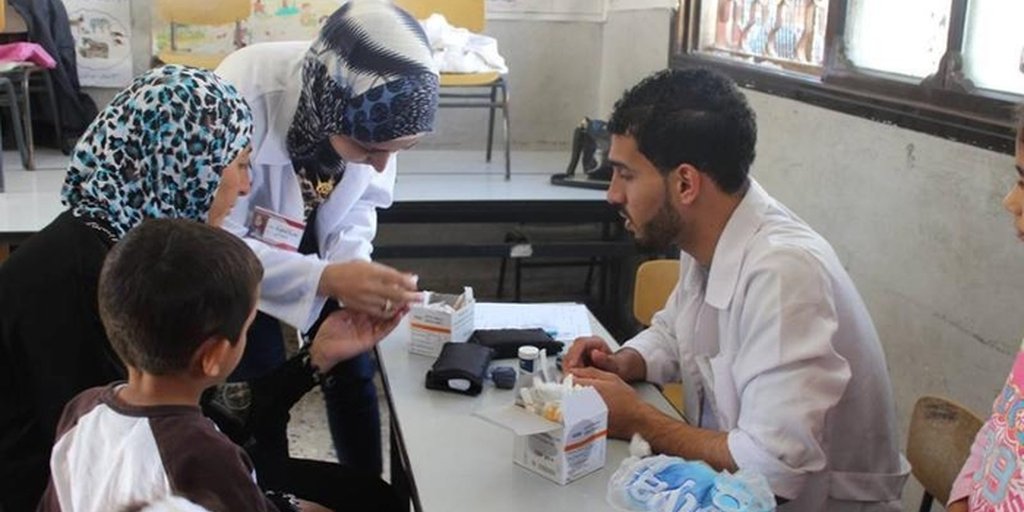
- Community clinics & mobile days: Free screenings, vaccinations, maternal & child health services in rural/underserved areas.
- Public-health campaigns: Breast cancer & cervical screening, hypertension/diabetes days, antimicrobial resistance (AMR) awareness.
- Student training in service: Medical, nursing, pharmacy, and allied-health students deliver supervised services as part of CBL/CBR.
Sample KPIs: # beneficiaries served; # screenings/vaccines provided; referral uptake rate; % female beneficiaries; rural coverage.
2) Faculty of Agriculture & Veterinary Medicine
- Nutrition & food security: Community workshops on healthy diets, safe food handling, school-garden programs; promotion of locally grown produce.
- One Health outreach: Zoonosis awareness, veterinary vaccination/parasite control campaigns supporting human health.
Sample KPIs: # nutrition sessions; change in KAP (knowledge-attitude-practice) scores; # school gardens supported.
3) Faculty of Sport Sciences
- Move-more programs: Weekly activity challenges, staff fitness hours, women-only sessions, adaptive sports.
- Injury-prevention & ergonomics: Workshops for students and staff; posture and workplace wellness.
Sample KPIs: participation rates; MET-minutes achieved; pre/post fitness assessments; injury reports trend.
4) Community Service Center
- Health literacy & life-skills: Hygiene, first-aid, family planning, elderly care, disability inclusion; volunteer facilitation.
- Course integration: Community Service & Sustainability Course (mandatory) channels ~1,500 students/semester (32 hours each) to health NGOs, clinics, and campaigns.
Sample KPIs: # student volunteer hours; # partner NGOs; satisfaction/impact surveys from host institutions.
5) Student Health Associations & Clubs
- Peer-to-peer education: Mental-health first aid, suicide-prevention gatekeeper training, anti-smoking drives, healthy cooking demos.
- Campus events: Health fairs, blood-donation drives, stress-relief weeks during exams.
Sample KPIs: # events; # peer educators trained; quit-rate at 3–6 months for tobacco program; attendance & reach.
Health-Care Services (University Hospital & Specialized Centers)
- Access & affordability: Free/low-cost medical days; referral agreements for vulnerable groups.
- Specialized public services: Poison Control & Drug Information Center (PCDI); medication safety hotlines; pharmacovigilance education.
Sample KPIs: hotline calls resolved; average response time; # community beneficiaries served via hospital/clinics.
Psychosocial Support (Cross-cutting)
- Counseling & therapy: Individual, group, and crisis counseling; trauma-informed care; grief and loss support.
- Prevention & resilience: Mindfulness, stress-management, test-anxiety, time-management workshops; faculty training to recognize at-risk students.
- Referral network: Clear pathways to external specialized services; MHPSS coordination with national/NGO partners.
Sample KPIs: # counseling sessions; average wait time; pre/post DASS-21 or PHQ-9 improvement; retention/persistence of supported students.
Nutrition & Wellness (Cross-cutting)
- Healthy-campus environment: Canteen guidelines (reduced sugar/salt/fats, clear labeling), water-refill stations, “walkable campus” nudges.
- Education: Cooking classes, budget-friendly meal plans, micronutrient awareness, anemia prevention.
- Screenings & follow-up: BMI, BP, fasting glucose; dietitian referrals; individualized plans.
Sample KPIs: # canteens meeting guidelines; liters of water dispensed; % participants with improved indicators at 3 months.
Flagship & Recurring Activities
- Health Fairs & Mobile Clinics (bi-semester)
- Mental-Health Week (each semester)
- Nutrition Month & Smoke-Free Campus Drives
- Women’s Health & Men’s Health Days
- Exam-time Wellness Corners (yoga, quiet rooms, counseling pop-ups)
Evidence Package (what to attach for rankings/web)
- Programs & SOPs: PDFs of campaign plans, counseling protocols, referral forms.
- Data snapshots: Annual dashboards (beneficiaries, services, KPIs), anonymized outcomes.
- Media & artifacts: Posters, photos (with consent), event agendas, links to hospital/PCDI pages.
- Partnership letters/MoUs: Health Ministry, local clinics/NGOs, universities.
- Impact briefs: 1–2 page summaries per initiative with SDG tags and before/after metrics.
Governance & QA
- Lead: Vice President for Community & Alumni / Deanship of Student Affairs.
- Operational units: Faculties (Medicine/Health, Agriculture, Sport), University Hospital, Community Service Center, Student Associations, PCDI.
- Quality cycle: Plan → Implement → Monitor (KPIs) → Evaluate (surveys/outcomes) → Improve; ethics & privacy compliance.
Quick SDG Map
- SDG 3: All health & psychosocial services.
- SDG 4: Health literacy, peer education.
- SDG 5: Women’s health/leadership, safe spaces.
- SDG 6: Hygiene & safe water in health campaigns.
- SDG 10: Inclusive access (disability, refugees, rural).
- SDG 12: Healthy consumption choices on campus.
An-Najah National University (ANNU) considers community engagement and service a cornerstone of its mission. By integrating volunteerism, sustainable entrepreneurship, and outreach programs, the university strengthens its ties with society and advances the principles of sustainable development. These initiatives are systematically embedded in academic programs, student life, and institutional partnerships.
Volunteer Program & Community Service and Sustainability Course
The Community Service & Sustainability Course is a mandatory academic requirement for all students, ensuring that each semester, nearly 1,500 students dedicate 32 hours of structured volunteer work.
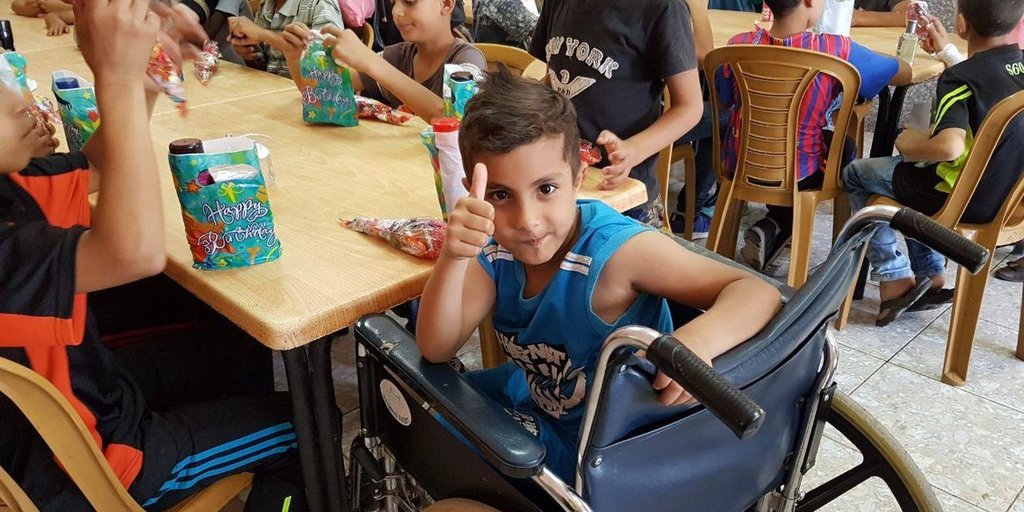
- Scope of service: Students contribute to areas such as education (tutoring, literacy programs), elderly care, disability support, and environmental conservation.
- Practical application: The program deepens students’ theoretical knowledge by connecting it with real-life social contexts.
- Capacity building: Workshops at the beginning of each semester prepare students with essential skills in volunteerism and sustainable development awareness.
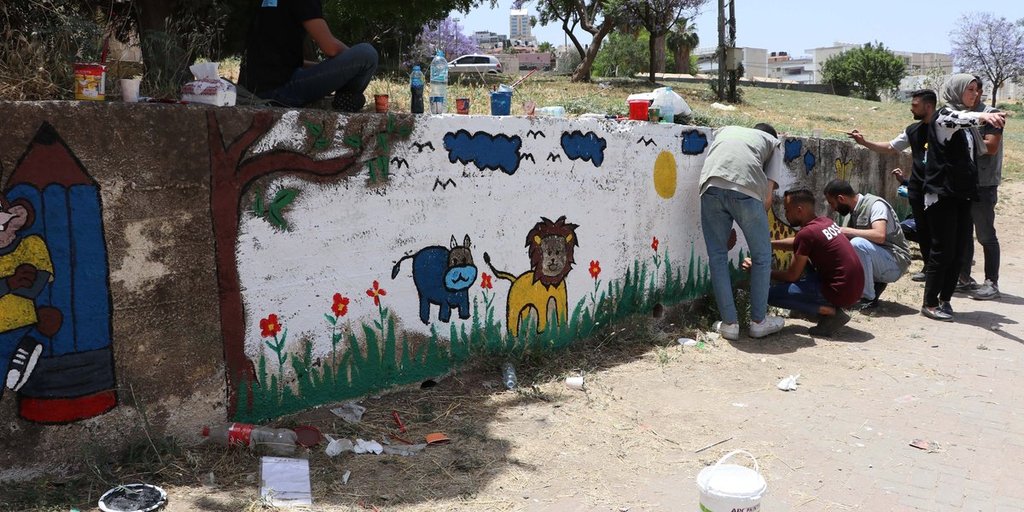
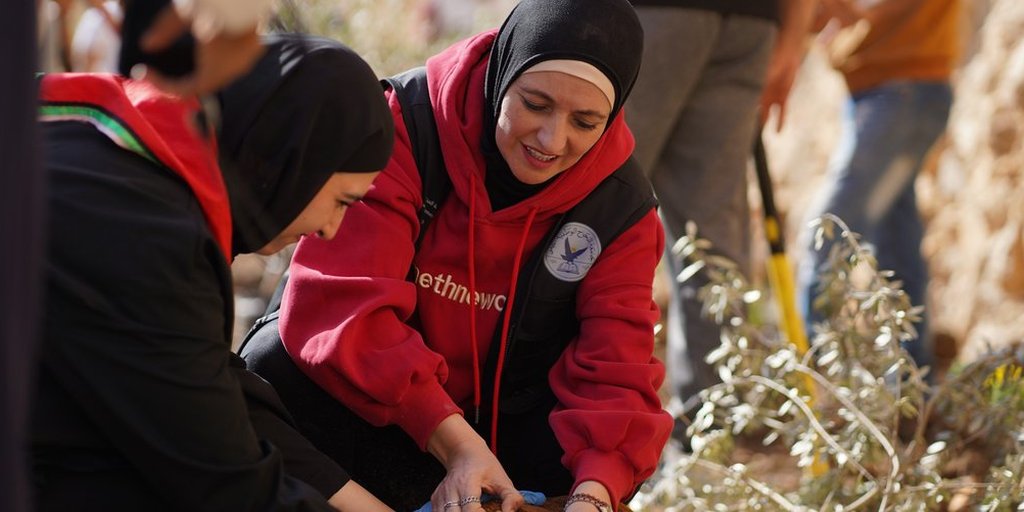
- Social impact: Activities include tree planting, school garden restoration, assisting special needs centers, and health awareness campaigns.
This course develops students’ leadership, empathy, and civic responsibility while providing essential human resources to community institutions. It reflects the modern view of community service as an organized social science discipline, focusing on volunteer management and sustainable social impact.
Sustainable Community Startups Initiative
The Sustainable Community Startups Initiative, led by the Community Service Center and supported by INNOPARK, empowers local entrepreneurs to establish and grow sustainable businesses.
- Support mechanisms: Training, mentorship, access to university research resources, and personalized guidance on green business models.
- Financial tools: Grants, seed funding, and low-interest loans to help entrepreneurs overcome financial barriers and adopt sustainable practices.
- Networking opportunities: Linking start-ups with investors and industry stakeholders, ensuring business longevity and scalability.
The initiative is implemented through strategic partnerships with:
- An-Najah Innovation Park (INNOPARK),
- An-Najah Center for Training and Rehabilitation,
- Scientific centers,
- And international projects such as MoreThanAJob, GREENLAND, PalGap, and GreenJobs.
This program creates inclusive economic opportunities, drives green innovation, and aligns with SDG 8 (Decent Work & Economic Growth) and SDG 9 (Industry, Innovation, and Infrastructure).
Community Outreach Services
ANNU demonstrates a broad commitment to public well-being through partnerships and direct services in education, health, law, environment, and media.
- Education & Inclusion: Free tutoring, entrepreneurship workshops, child development programs (e.g., An-Najah Child Institute).
- Health Services: The university hospital, mobile clinics for rural areas, free medical days, and specialized centers such as the Poison Control and Drug Information Center (PCDI).
- Social & Legal Services: Free legal counseling through the ANNU Legal Clinic, psychological support, and public resources for marginalized groups.
- Environmental Engagement: Student volunteer clubs organize clean-up drives, tree planting campaigns, and awareness events.
- Technology & Media: INNOPARK promotes digital literacy, while the ANNU Media Center trains young journalists to advance free and responsible media.
- Recent highlights include planting olive and citrus seedlings across local schools, restoring university gardens, and expanding student-led sustainability initiatives.
Integrated Impact
By uniting volunteerism, entrepreneurship, and outreach, ANNU ensures that its community engagement:
- Strengthens social cohesion through education and health programs.
- Fosters economic resilience via sustainable start-ups.
- Enhances environmental sustainability through campaigns and conservation efforts.
- Empowers students to be agents of change committed to achieving the Sustainable Development Goals (SDGs).
ANNU’s community engagement framework is comprehensive, systematic, and impact-driven. It transforms students into active contributors to Palestinian society, equips entrepreneurs to lead sustainable ventures, and delivers direct benefits in education, health, and environment. In doing so, ANNU reinforces its mission as a university for society and sustainability.
An-Najah National University (ANNU) is deeply committed to integrating the Sustainable Development Goals (SDGs) into its educational framework, fostering a comprehensive understanding of sustainability among students and the broader community. The university offers a wide range of programs, from full degrees to specialized electives, focused on sustainability and the SDGs. ANNU also conducts outreach activities targeting alumni, local residents, and displaced populations, promoting SDG literacy and awareness beyond campus boundaries. To support this mission, the university regularly assesses students’ sustainability literacy, ensuring they are equipped with the knowledge and skills to drive positive change.
University-Wide SDG Education for All Students
- Mandatory Community Service & Sustainability Course: A compulsory course for all students introducing the SDGs and encouraging participation in volunteer initiatives aligned with these goals, ensuring every student gains a fundamental understanding of sustainability.
- Elective Courses and Workshops: Optional courses, seminars, and extracurricular activities allow students to explore specific aspects of the SDGs in depth.
- Student Associations Promoting Sustainability:
- Student Association for Sustainable Development
- Ecology Friends Association
- Association of Energy Engineers (AEE)
- IEEE Najah Student Branch
- American Society of Civil Engineers (ASCE)
- ANNU Advances Sustainable Development through Webinar
- Student Association for Sustainable Development Hosts Recreational Day
- Environmental and Water Challenges Conference
- Environmental Workshop Promoting Sustainability
- Medical Awareness Seminar by Student Team
Outreach Education for Community on SDGs
ANNU provides outreach programs for alumni, local residents, and displaced people, focusing on education, skills development, and community support to foster social, economic, and cultural development:
- Community Service & Continuing Education Programs: Workshops, vocational training, and skill development programs for youth and women to enhance employment prospects.
- Support for Displaced Populations: Tailored programs to empower displaced individuals with education, vocational training, and social integration services.
- Alumni Engagement: Alumni participate in educational events, mentorship programs, and community development projects, contributing to lifelong learning.
- Public Seminars and Workshops: Events open to the wider community on health, environmental sustainability, entrepreneurship, and other topics.
- Collaborations with Local Organizations: Partnerships with local and international organizations to implement community-based educational projects in areas such as sustainable development, human rights, and social equity.
Measuring Student Sustainability Literacy
ANNU regularly assesses students’ knowledge of environmental, social, and economic dimensions related to the SDGs through the Sustainability Literacy Survey (2023-2024), ensuring students are prepared to contribute effectively to a sustainable future.
Courses Addressing Sustainability and SDGs
The university integrates SDG-related content across many programs to engage students in sustainability through their field of study, including:
Undergraduate Degrees:
- Social Work
- Planning Engineering and City Technology,
- Geomatics Engineering
- Materials Science Engineering
- Kindergarten
- Energy and Environmental Engineering
- Education (Lower & Upper Preparatory)
- Health Information Management,
- Plant Production & Protection.
Graduate Degrees:
- PhD in Sustainable Energy Technology
- MA in Sustainable Engineering in Production
- MA in Clean Energy Conservation Engineering
- MA in Water & Environmental Engineering
- MA in Environmental Sciences
- MA in Urban & Regional Planning Engineering
- PhD in Food Chemistry
- MA in Nutrition and Food Technology
- MA in Risk and Disaster Management
- MA in Highway & Transport Engineering
- MA in Structural Engineering
- MA in Architectural Engineering
- MA in International Law and Human Rights
- MA in Community Mental Health Nursing
- MA in Public Health Management
- MA in Public Health
- MA in Psychological and Educational Counseling.
An-Najah National University (ANNU) highlights its sustainability impact through community-driven projects, student and faculty contributions, and transparent impact reporting. These success stories demonstrate how the university translates its vision into measurable outcomes that benefit both the campus and the wider Palestinian society.
Community Projects
- Health & Well-being Campaigns: From breast cancer awareness (Pink October) to nutrition and chronic disease prevention, ANNU regularly organizes community health events that directly serve thousands of beneficiaries.
- Environmental Conservation: Tree-planting initiatives, waste reduction drives, and recycling campaigns strengthen community resilience and environmental awareness.
- Educational Support: Outreach in schools and refugee camps provides critical knowledge transfer in health, literacy, and sustainability.
Student & Faculty Contributions
- Nursing and Midwifery students lead educational sessions in UNRWA and public schools, focusing on hygiene, nutrition, and first aid.
- Medical Laboratory student associations implement awareness activities with local NGOs and schools.
- Faculty experts provide workshops on mental health, reproductive health, and emergency response.
- Student volunteer clubs organize annual blood donation drives, chronic disease screenings, and first aid training.
Environmental & Social Impact Reports
ANNU documents its outcomes in structured reports, showcasing how sustainability campaigns align with SDGs and contribute to community development. Reports highlight:
- Reach & beneficiaries (e.g., number of students trained, community members served).
- Thematic outcomes (improved health literacy, increased access to healthcare, enhanced environmental awareness).
- Sustainability indicators (reduction in inequalities, empowerment of vulnerable groups, and resilience-building).
Health & Well-being Awareness & Education Events (Examples)
Topics covered include: mental health, women’s health, nutrition, chronic disease prevention, and life-saving skills (CPR, first aid, choking management).
Pink October Breast Cancer Awareness
Educational Health Sessions in UNRWA Schools
Awareness Campaigns by Medical Student Associations
Annual Blood Donation Campaigns
These activities not only improve public health but also build a culture of student leadership in sustainability and social responsibility.
ANNU empowers local entrepreneurs and innovators through its Sustainable Community Startups Initiative, linking academia with real-world business solutions to drive sustainable economic growth.
Training & Mentorship
- Entrepreneurs receive hands-on training in sustainable business models, financial literacy, leadership, and innovation.
- Personalized mentorship from faculty, industry leaders, and alumni ensures guidance throughout the startup journey.
Access to Resources
- Startups benefit from university laboratories, research centers, and the Innovation Park (INNOPARK) for product testing and development.
- Support from specialized centers such as the Center for Training and Rehabilitation and scientific research units ensures a multidisciplinary approach.
Financial Assistance
- The program provides grants, seed funding, and low-interest loans to support early-stage enterprises.
- Startups are connected with potential investors and networks for long-term scalability.
Networking Opportunities
- INNOPARK facilitates linkages between entrepreneurs, NGOs, and private-sector partners.
- Entrepreneurs join collaborative projects such as MoreThanAJob, GREENLAND, PalGap, GreenJobs, and Let’s Start Up, which create synergies between local needs and global sustainability trends.
Impact & Alignment with SDGs
- SDG 8 (Decent Work & Economic Growth): Generating employment opportunities for Palestinian youth.
- SDG 9 (Industry, Innovation, and Infrastructure): Supporting innovation-driven business solutions.
- SDG 12 (Responsible Consumption and Production): Promoting eco-friendly and sustainable production practices.
Through Impact Stories and the Sustainable Community Startups Initiative, ANNU demonstrates that sustainability is not only an academic concept but a living practice—one that improves health, fosters innovation, strengthens communities, and contributes to achieving the Sustainable Development Goals (SDGs) in Palestine and beyond.