At An-Najah National University (ANNU), sustainability stands at the heart of our mission. The university leads dozens of sustainability-driven initiatives, engaging with governmental, industrial, academic, and community partners across Palestine and internationally. These initiatives demonstrate ANNU’s strong commitment to environmental stewardship, social responsibility, and economic resilience. Through these projects, ANNU not only reduces its environmental footprint but also serves as a living laboratory for students, researchers, and the wider community to pioneer sustainable solutions and contribute to the United Nations Sustainable Development Goals (SDGs).
1. Renewable Energy & Green Campus Initiative
Objective: Implement large-scale renewable energy systems, reduce carbon emissions, and advance the transition towards a low-carbon campus. This includes solar PV stations across different campuses, energy-saving retrofits, and integration with Najah2Twin Smart Campus platform.
Aligned SDGs:
- SDG 7 (Affordable and Clean Energy)
- SDG 13 (Climate Action)
2. Solar Energy Expansion Project
Objective: Expand solar PV installations to cover a significant share of ANNU’s electricity consumption. Current systems already provide more than 20% of electricity needs, with plans to exceed 40% through new projects by 2026.
Aligned SDGs:
- SDG 7 (Affordable and Clean Energy)
3. Water Management & Wise-Use Program
Objective: Develop rainwater harvesting reservoirs (7,000 m³ capacity), greywater reuse systems, infiltration pits, and water-saving campaigns to achieve a 30% reduction in potable water use by 2027.
Aligned SDGs:
- SDG 6 (Clean Water and Sanitation)
- SDG 12 (Responsible Consumption and Production)
4. Waste Management – 3R Program (Reduce, Reuse, Recycle)
Objective: Achieve >75% participation of staff and students in waste separation, increase recycling streams, and contract specialized companies for safe disposal of non-recyclables. Smart bins with IoT sensors are part of Najah2Twin dashboard integration.
Aligned SDGs:
- SDG 12 (Responsible Consumption and Production)
- SDG 11 (Sustainable Cities and Communities)
5. Zero Waste Campaign
Objective: Reduce total campus waste by 50% and achieve 70% recycling rate by 2025 through awareness, infrastructure, and contracts with local recyclers.
Aligned SDGs:
- SDG 12 (Responsible Consumption and Production)
6. Sustainable Transportation Project
Objective: Promote green mobility on campus by building bicycle lanes, electric vehicle (EV) charging stations, and carpooling programs. Aim to reduce campus transportation emissions by 20% by 2030.
Aligned SDGs:
- SDG 11 (Sustainable Cities and Communities)
- SDG 13 (Climate Action)
7. Green Landscaping & Biodiversity Project
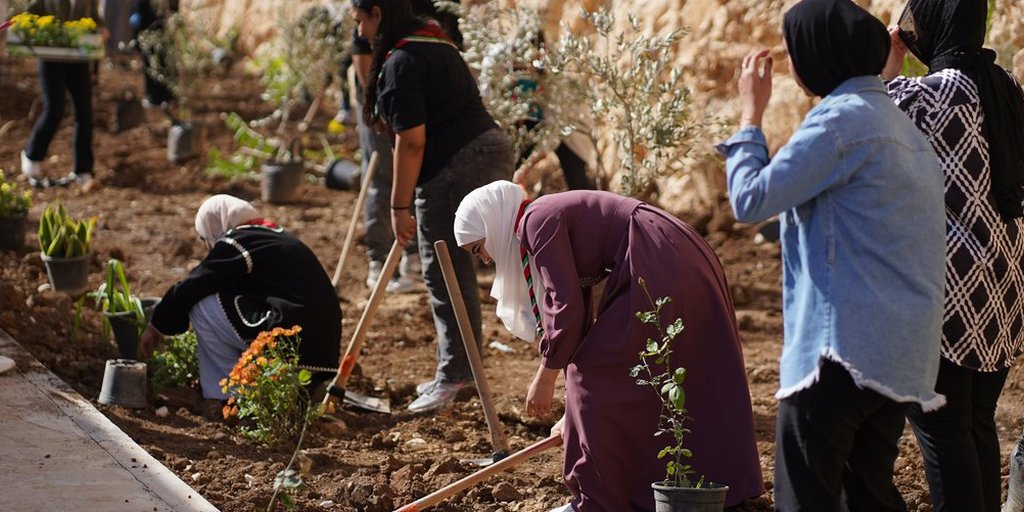
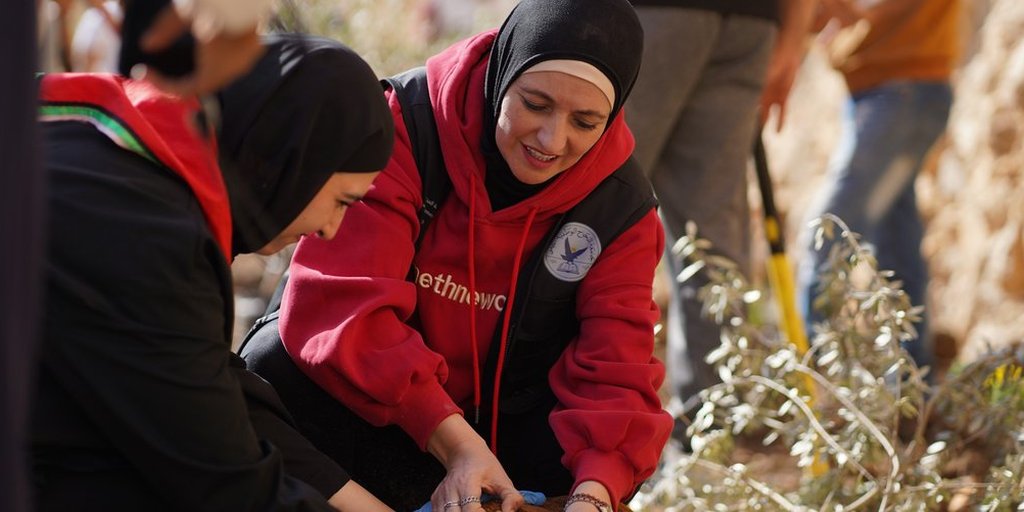
Objective: Convert 50% of campus green areas into sustainable landscapes using native species, drought-resistant plants, and biodiversity gardens. This reduces irrigation demand and supports ecological resilience.
Aligned SDGs:
- SDG 15 (Life on Land)
8. Community Outreach & Volunteering for SDGs
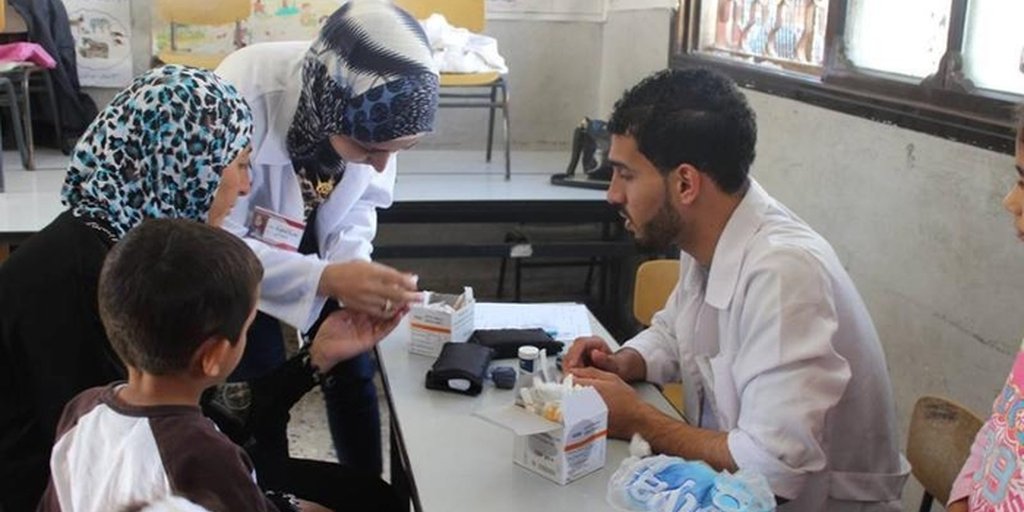
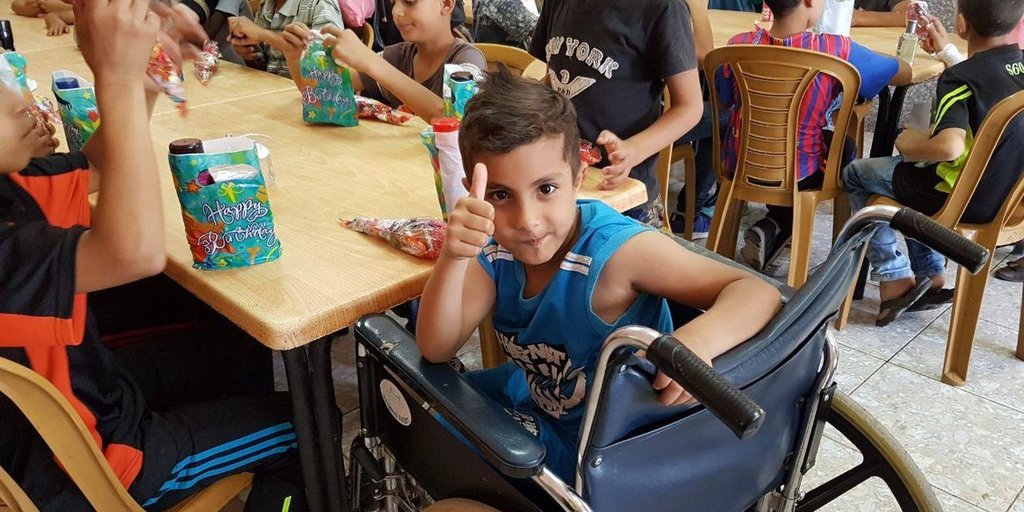
Objective: Engage students and staff in volunteering projects addressing SDGs, such as clean energy access in rural villages, health awareness campaigns, and environmental clean-up initiatives.
Aligned SDGs:
- SDG 3 (Good Health and Wellbeing)
- SDG 17 (Partnerships for the Goals)
9. Research & Academic Integration for Sustainability
Objective: Integrate sustainability into curricula across faculties, expand postgraduate programs in water, energy, and environmental sciences, and promote bibliometric-aligned research output to support SDG frameworks.
Aligned SDGs:
- SDG 4 (Quality Education)
- SDG 9 (Industry, Innovation and Infrastructure)
- SDG 17 (Partnerships for the Goals)
10. Innovation & Startups for Sustainability
Objective: Support sustainability-related startups through ANNU’s Innovation Park and TTO (Technology Transfer Office). Examples include eco-friendly paper recycling (ECO PAPE), sustainable building solutions (SHABAP), and renewable energy applications.
Aligned SDGs:
- SDG 8 (Decent Work and Economic Growth)
- SDG 12 (Responsible Consumption and Production)
11. Smart Campus Digital Twin (Najah2Twin)
Objective: Develop a campus-wide GIS, BIM, and IoT platform to digitally manage energy, water, waste, and building operations, improving monitoring, reporting, and decision-making.
Aligned SDGs:
- SDG 9 (Industry, Innovation and Infrastructure)
- SDG 11 (Sustainable Cities and Communities)