Climate Science & Environmental Sustainability Education

An-Najah National University (ANNU) is firmly committed to advancing climate literacy, environmental responsibility, and sustainability-driven innovation as core pillars of its academic mission. Climate science and environmental sustainability are systematically embedded across accredited academic programs, credit-bearing courses, and professional micro- credentials to equip graduates with the scientific knowledge, technical competencies, and leadership skills required to address global environmental challenges.
ANNU invests strategically in sustainability education to prepare future leaders, engineers, scientists, planners, policymakers, and entrepreneurs capable of accelerating the transition toward a low-carbon, resource- efficient, and climate-resilient society. Sustainability principles are integrated across multiple faculties through interdisciplinary curricula, applied laboratory and field training, environmental research initiatives, and community engagement programs.
Through structured learning pathways spanning undergraduate, postgraduate, and continuing education levels, ANNU ensures that students develop competencies in climate change mitigation and adaptation, renewable energy systems, environmental governance, circular economy strategies, water and waste management, sustainable urban development, and ecosystem protection.
All programs and courses are fully accredited by the Palestinian Ministry of Higher Education and Scientific Research, operate within a structured credit-hour system aligned with internationally recognized academic standards (ECTS-compatible framework), and lead to officially recognized undergraduate and postgraduate qualifications.
1. Climate Science &Environmental Sustainability Programs
An-Najah National University offers a diverse range of accredited undergraduate and postgraduate programs that directly address climate science, environmental sustainability, renewable energy, and sustainable development. These programs provide students with interdisciplinary knowledge and practical expertise to understand environmental challenges, develop innovative solutions, and contribute to climate mitigation, adaptation, and sustainable resource management at local, regional, and global levels.
Undergraduate Programs
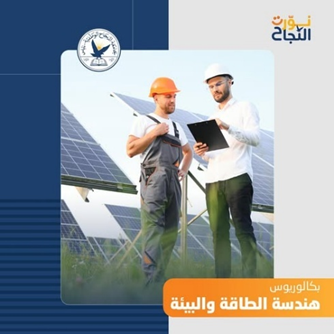
BA in Energy & Environmental Engineering
This program focuses on renewable energy systems, energy efficiency, environmental impact assessment, and climate mitigation technologies. Students gain practical and theoretical knowledge in solar, wind, bioenergy, and sustainable energy system design aligned with SDG 7 and SDG 13.
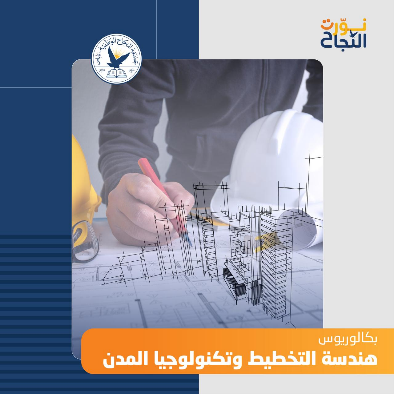
BA in Planning Engineering & City Technology
Addresses sustainable urban planning, smart city technologies, green infrastructure, and climate-resilient urban design. The program integrates spatial analysis, sustainability assessment, and environmental policy considerations.
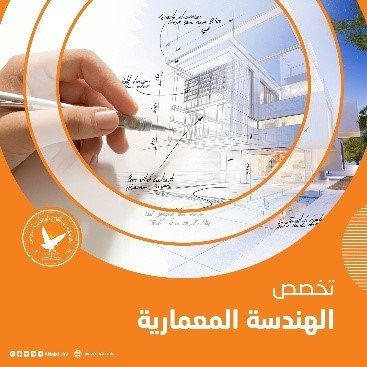
BA in Architectural Engineering
Emphasizes sustainable building design, energy-efficient structures, green materials, and climate-responsive architecture. Students learn environmental building performance modeling and sustainable construction standards.
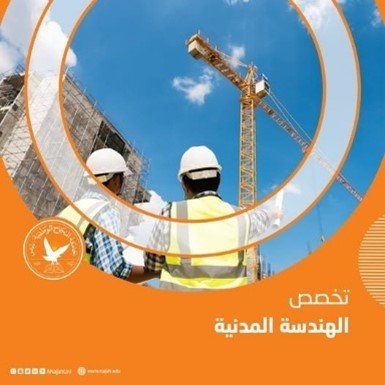
Includes water resource management, sustainable infrastructure, environmental engineering, and climate adaptation strategies in infrastructure systems.
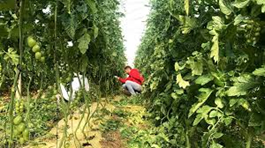
BA in Agricultural Engineering
Focuses on climate-smart agriculture, sustainable irrigation systems, soil conservation, and food security under changing climate conditions.
Covers climatology, environmental geography, spatial analysis, climate modeling, and sustainable land-use planning..

Specializes in GIS, remote sensing, climate monitoring, environmental mapping, and geospatial technologies for sustainability planning.

Addresses sustainable crop production, integrated pest management, soil health, and adaptation of agricultural systems to climate variability.
Graduate Programs (MSc / PhD)
MSc in Clean Energy Conservation Engineering
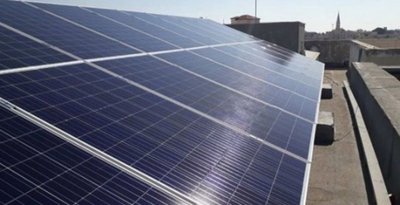
Advanced training in renewable energy technologies, energy storage, decarbonization strategies, and climate mitigation solutions.
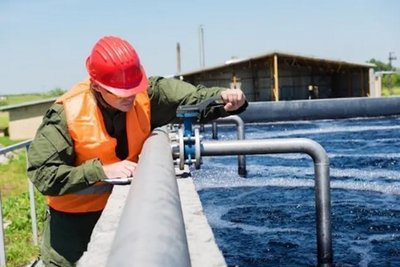
MSc in Water & Environmental Engineering
Focuses on water security, wastewater treatment, climate adaptation in water systems, and sustainable environmental engineering solutions..
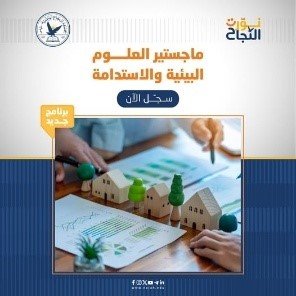
Provides interdisciplinary training in climate change science, environmental monitoring, biodiversity conservation, and sustainability policy.
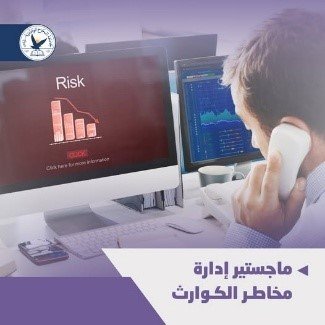
MSc in Disaster Risk Management
Addresses climate-related hazards, resilience planning, risk modeling, and sustainable disaster preparedness.
MSc in Nutrition and Food Technology
A sustainability-oriented program that links food systems, public health, and environmental impacts. It addresses sustainable nutrition, food quality and safety, food processing technologies, and strategies to reduce food loss and waste—supporting climate-resilient and resource-efficient food production.

MSc in Profitable Agribusiness
This program focuses on sustainable and climate-smart agribusiness, combining economic viability with responsible resource use. It covers sustainable value chains, agrifood marketing, farm management, food security, and entrepreneurship, with attention to climate risks affecting agriculture and rural livelihoods.
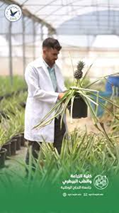
PhD in Sustainable Energy Technology
Research-driven doctoral program advancing innovation in renewable energy systems,
decarbonization technologies, and energy transition policy.
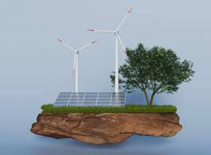
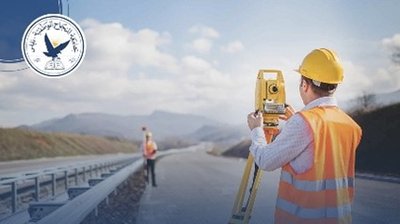
An advanced program in GIS, remote sensing, spatial data analytics, and geospatial modeling for sustainability. Students apply geospatial tools to climate monitoring, land-use change analysis, environmental assessment, disaster risk mapping, and evidence-based planning.
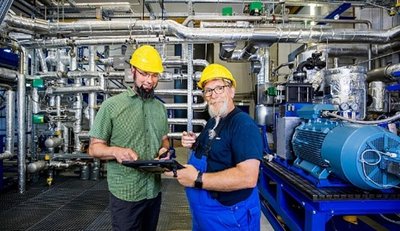
MSc in Sustainable Engineering in Production
Focuses on sustainable manufacturing, circular economy principles, industrial energy efficiency, and low-carbon production systems.
MSc in Urban & Regional Planning Engineering
Focuses on climate-resilient planning, sustainable mobility, environmental governance, and integrated land-use management.
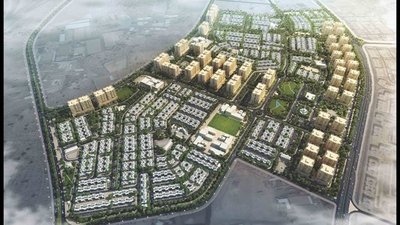
MSc in Sustainability & Building Technology
Specializes in green building certification, energy modeling, sustainable materials, and low-carbon construction systems.

A postgraduate program that develops expertise in climate science, environmental change, and spatial analysis. Topics typically include climatology, climate change impacts, hydrology, ecosystems, environmental management, and the application of GIS/remote sensing to support sustainable development and resilience planning..

A postgraduate program that develops expertise in climate science, environmental change, and spatial analysis. Topics typically include climatology, climate change impacts, hydrology, ecosystems, environmental management, and the application of GIS/remote sensing to support sustainable development and resilience planning..
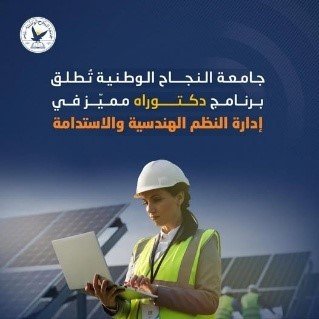
PhD in Engineering Systems Management and Sustainability
A research-based doctoral program that advances sustainability in complex systems and institutions. It focuses on sustainable engineering management, systems thinking, resource efficiency, low-carbon transitions, risk and resilience, and policy-informed decision-making for infrastructure, industry, and public services.