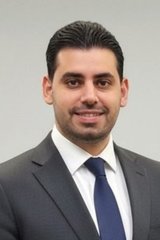
[email protected] 92345115 (0) 970‏‎+‎

Mohammad Abuabiah is an Assistant Professor in Mechanical and Mechatronics Engineering at An-Najah National University and a Research Fellow at the University of Luxembourg. He earned his PhD in Control Engineering (2019) from Politecnico di Torino, Italy, and is a Fellow of Advance HE (FHEA), reflecting his commitment to innovative, practice-oriented teaching. His work bridges education and applied research, with a focus on control, robotics, mechatronics, and metal additive manufacturing in industrial contexts. He led the MSCA-PF BALSAM project, plays a key role in the Horizon Europe TARGET-X METALINK project on 5G-enabled manufacturing, and serves as Co-PI of the FNR-JUMP-funded 3D-ENSURE spin-off developing self-healing sensor systems. He also serves as National Secretary of IAESTE Palestine and Director of the Robotics and Advanced Automation Unit at INNOPARK (ANNU), advancing industry-linked education and global student engagement.


Teaching innovation with measurable global impact

Stand & Defend:From Classroom to Global Practice

A curriculum-embedded teaching model that transforms engineering students from passive learners into confident professionals who can justify decisions, communicate clearly, and perform in international engineering environments.

378

Students mentored

31 -> 47

Placements and offers

4.8/5

Host feedback
The challenge

× Engineering education often rewards recall more than defended reasoning.

× Students may master theory but have limited experience acting as engineers.

× Confidence in open-ended problem solving and professional communication remains uneven.

× Global engineering practice can feel distant from the classroom.

The response

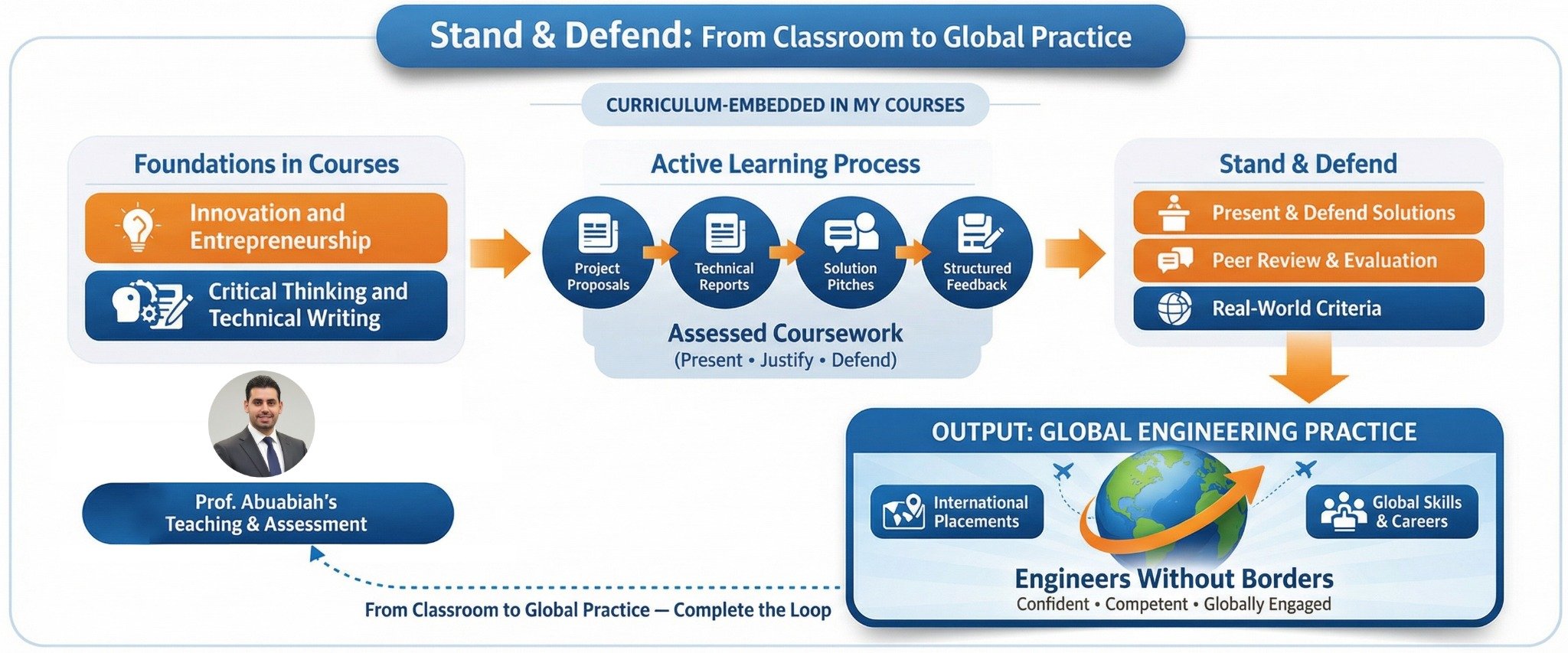
✓ Stand & Defend turns coursework into a structured professional simulation.

✓ Students act as both engineers and reviewers within a rubric-based panel format.

✓ Presentation, justification, and feedback are assessed as part of learning.

✓ The same competencies extend into placements, partnerships, and global practice.

The Teaching Model

A signature learning experience built into the curriculum

This is not an isolated activity. It is an assessed teaching and learning system that connects coursework, feedback, peer review, and global readiness.

Stand & Defend

Students present, justify, and defend engineering solutions under real-world and internationally aligned criteria.

Role reversal in learning

Students serve as both presenters and peer panelists, evaluating assumptions and decisions through defined rubrics.

Embedded coursework

Integrated across courses and reinforced through proposals, reports, pitches, CV development, and interview simulation.

How it Works

From problem framing to global engineering practice

The learning pathway is visible, repeatable, and designed to move students from classroom reasoning to performance in real engineering environments.

STEP 1

Problem framing
Students engage with open-ended engineering briefs and globally relevant tasks.

STEP 2

Solution development
Teams build technical reports, proposals, and solution arguments supported by evidence.

STEP 3

Stand & Defend

Students present, defend, question, review, and refine engineering decisions.

STEP 4

Global practice
Students transition into placements and international contexts using the same competencies.

Measured Impact

Evidence of learning transformation and global readiness

Metrics below can be linked to assessment redesign, structured course evaluation, placement outcomes, and host feedback.

ENGAGEMENT

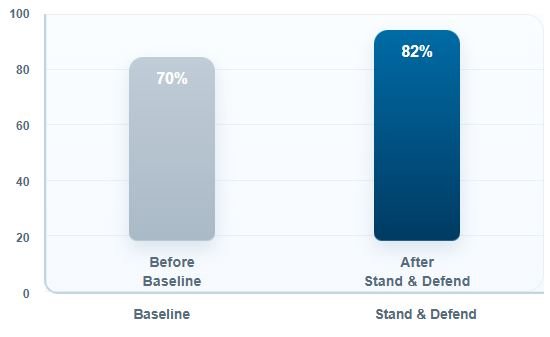
~70% → 85%+

Increase in active participation after redesigning learning around  defended reasoning.

APPLIED PERFORMANCE

+10–15%

Improvement in ability to solve open-ended engineering problems.

CONFIDENCE

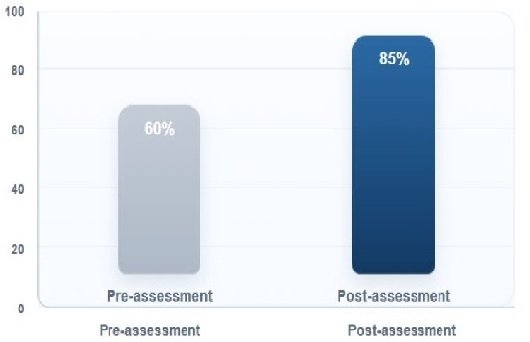
~60% → 85%

Growth in presenting, defending, and articulating engineering decisions.

COMPETENCY

~65–87%

Communication, problem solving, decision-making, and technical articulation reached post-assessment competency targets.

STUDENT MENTORED

378

Across cohorts and courses within the teaching model.

GLOBAL TRANSITION

31 + 47

31 placements completed in 2024–2025 and 47 new offers secured for 2026 across 17+ countries.

Applied engineering performance

Improvement in the ability to solve open-ended engineering problems.

Student confidence growth

Confidence in presentingand articulating engineering decisions.

Classroom to Global Transition

The classroom is the rehearsal space for global engineering practice

Placements are not separate from the teaching model. They are a direct continuation of the same design: presenting, defending, collaborating, and performing under real expectations.

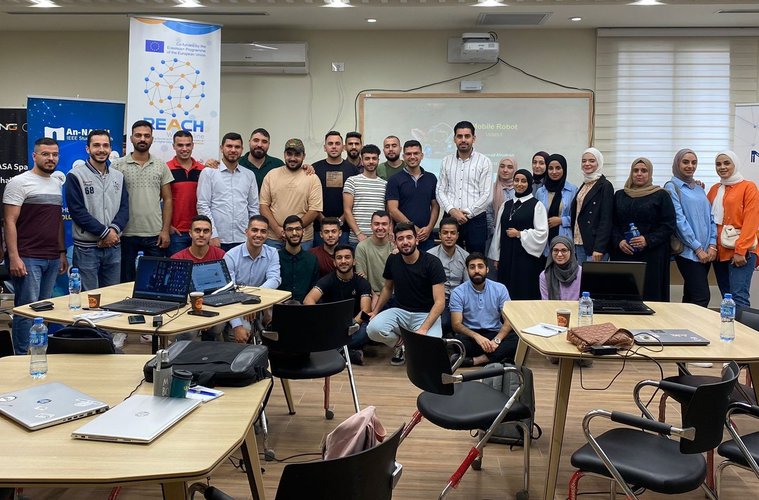
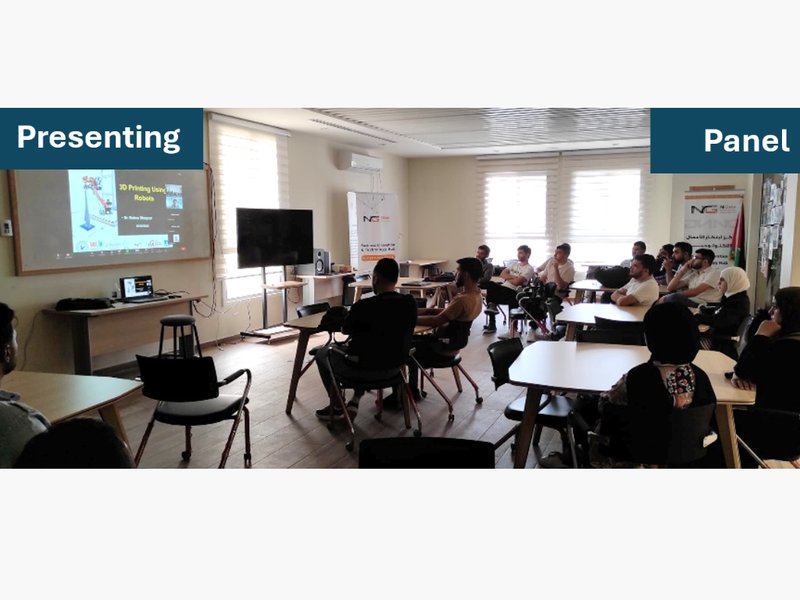
Students presenting, defending, questioning, and evaluating solutions in a structured peer-panel environment.

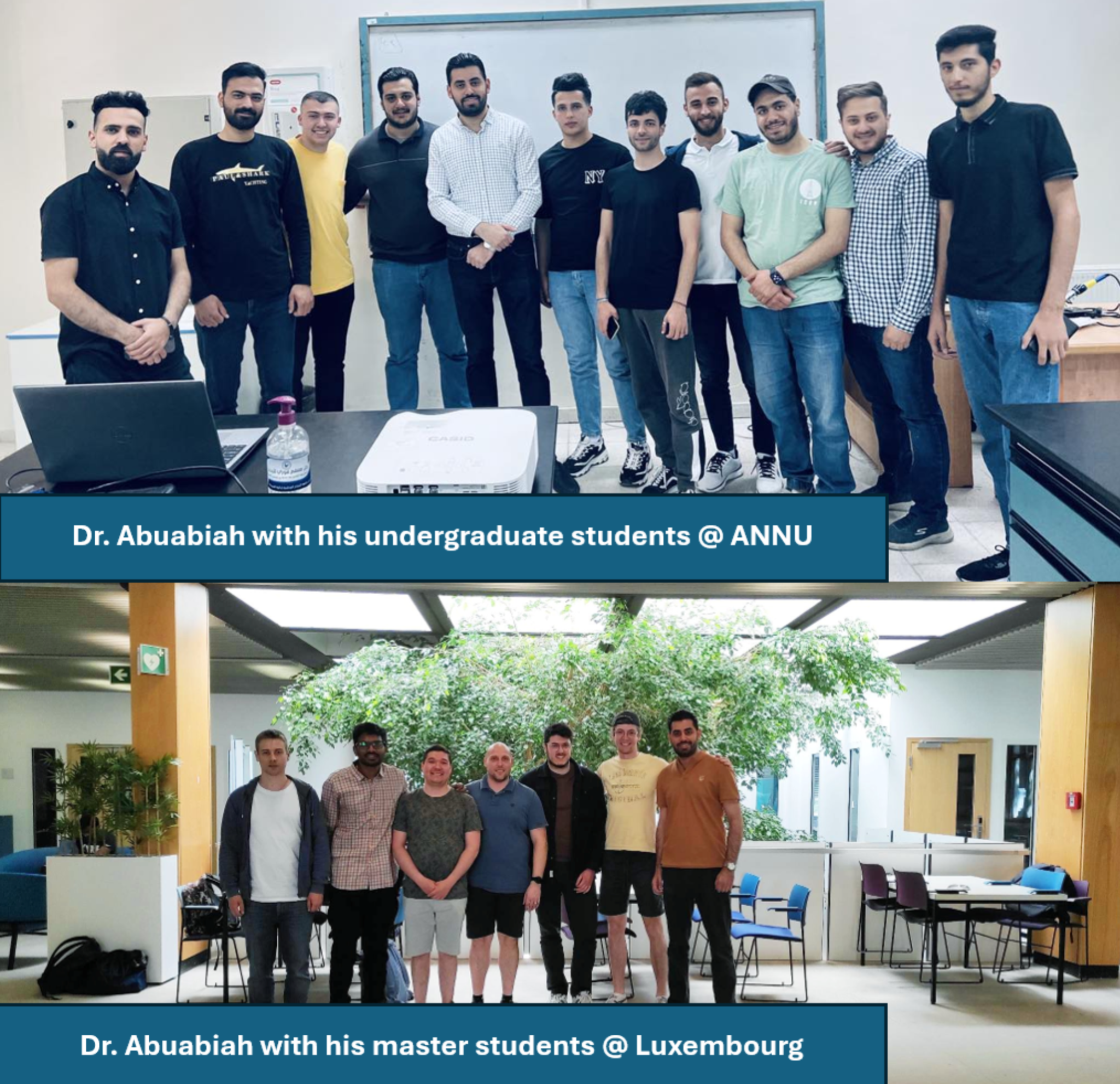
From classroom to global practice: three ANNU master’s students during their Erasmus+ research visit to the University of Luxembourg (Summer 2025), applying skills developed under Dr. Abuabiah’s guidance.

Evidence of learning transformation and global readiness

Metrics below can be linked to assessment redesign, structured course evaluation, placement outcomes, and host feedback.

Student Transformation

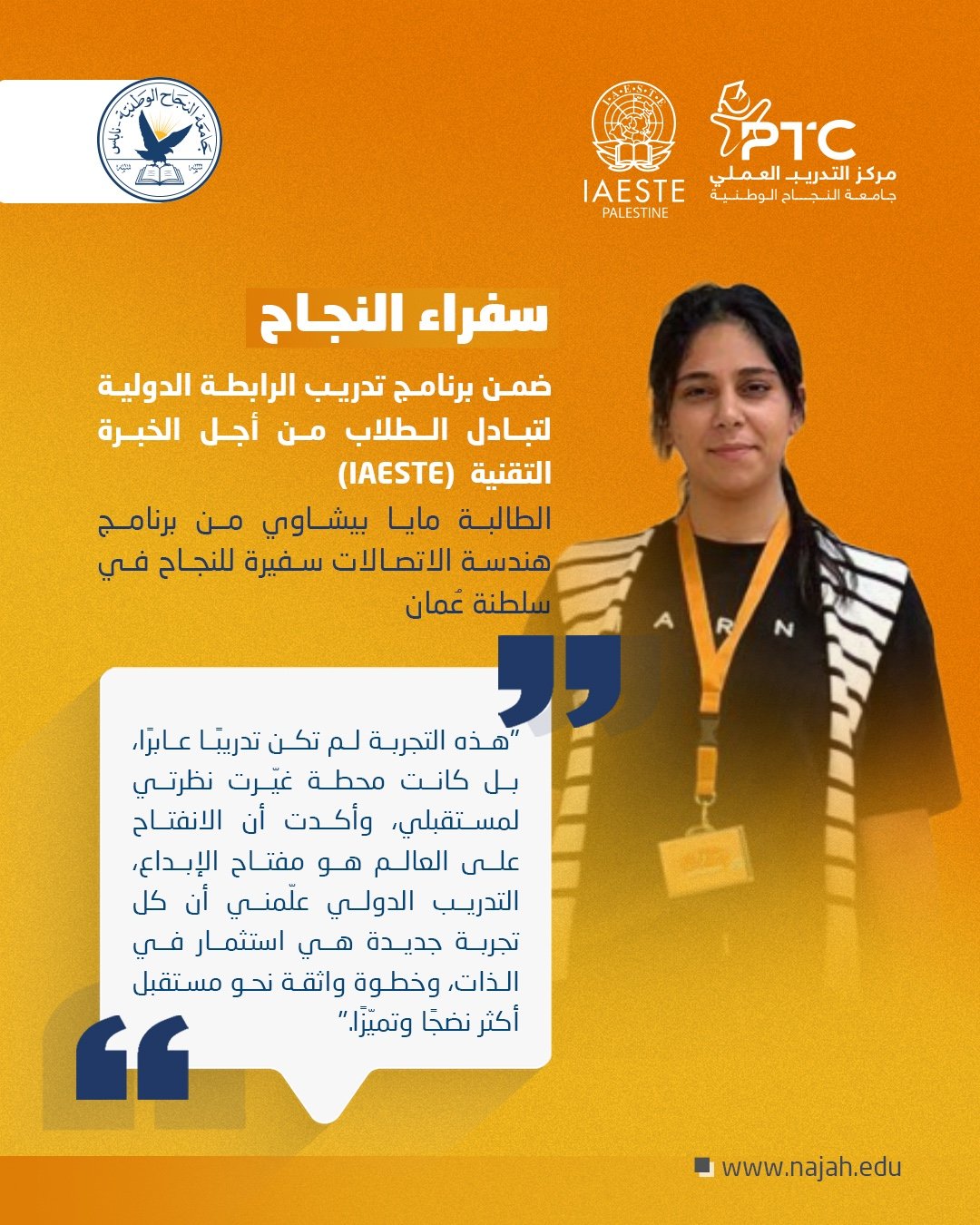
Masa Qadi

Turkey | Industrial Engineering


“Through how our course guided us to develop our CVs and present our ideas, I was able to apply what I learned in real-world settings with confidence.”
Linked evidence: the model connects classroom preparation, defended reasoning, and real engineering performance.

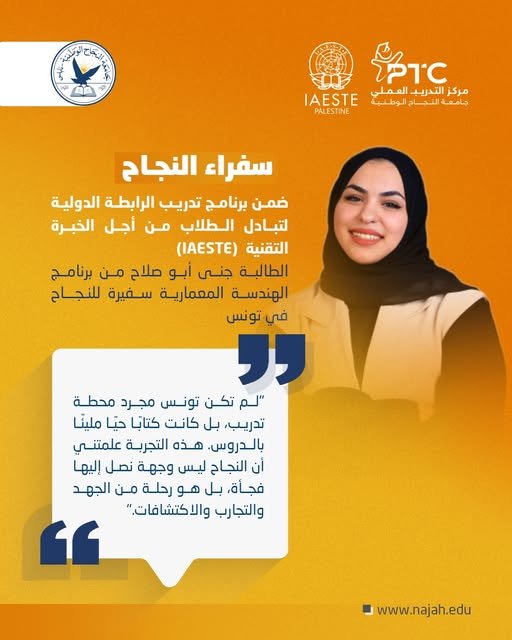
Masa Tahan

Tunisia | Computer Engineering


“The way we worked on our applications and presented our ideas in class made me confident to apply. This experience changed my perspective.”

Linked evidence: confidence built in class enables students to move from hesitation to action.

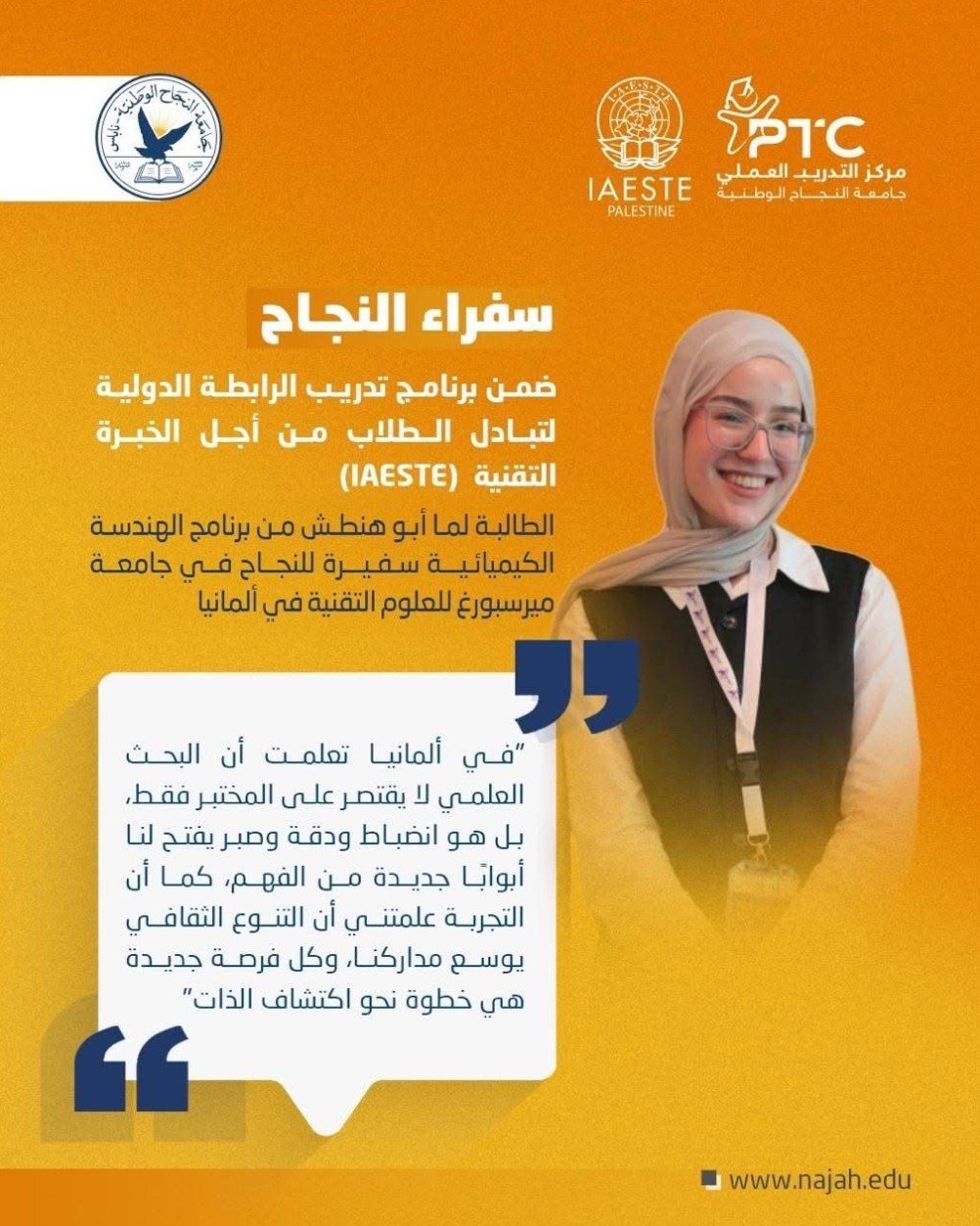
Khaled Owais

Brazil | Chemical Engineering


“The way we structured and presented our work in class helped me clearly explain and justify my ideas while working on real projects.”

Linked evidence: structured defence and peer review transfer directly into real project communication.

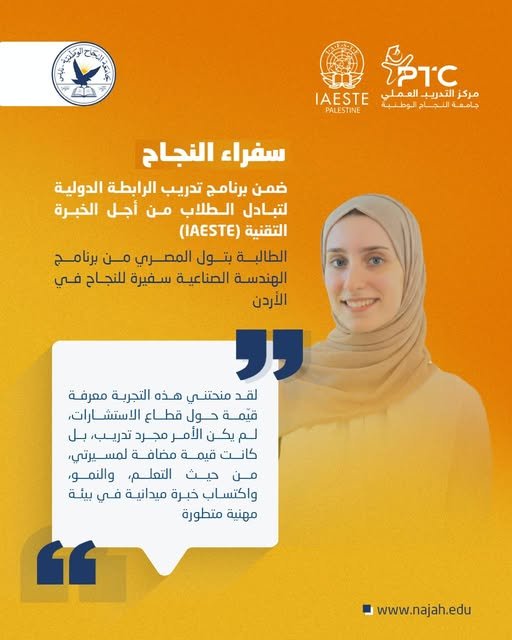
Doaa Taqi

India | Civil Engineering


“Developing and presenting my work in class made me more confident in communicating and engaging beyond the classroom.”
Linked evidence: the model shapes not only skills but also professional identity and readiness to engage globally.

Leadership and Ownership

Led and developed by Dr Mohammad Abuabiah

This work is personally led and sustained by Dr Mohammad Abuabiah, from classroom implementation at ANNU to international student engagement and supervision abroad.

Core contributions

✓ Designed and implemented the Stand & Defend model.
✓ Embedded it across multiple engineering-related courses.
✓ Mentored 378 students through the learning pathway.
✓ Secured and aligned international placements through direct collaboration.
✓ Connected classroom learning to international partners and external recognition.

نننن

نننننننننننننننننننننننننننن

نننن

 نننن

Global Engagement and Validation

External recognition strengthens the credibility of the model

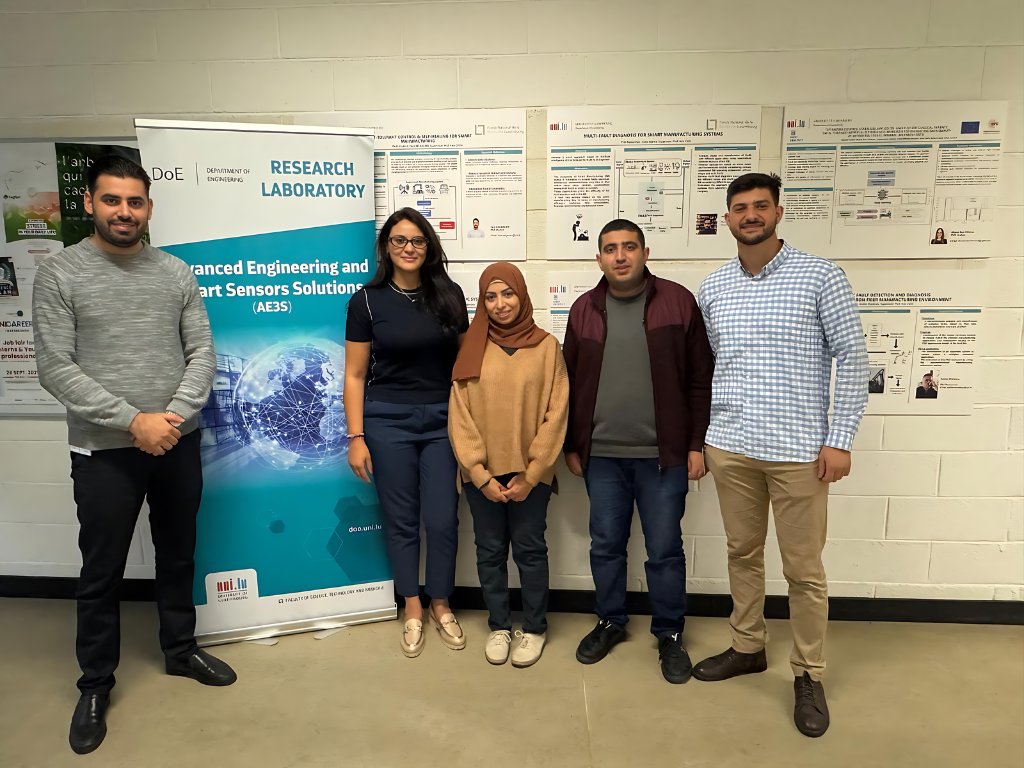
International collaboration visits demonstrate how classroom-driven learning is extended into global academic networks, creating pathways for students to engage beyond their local context.

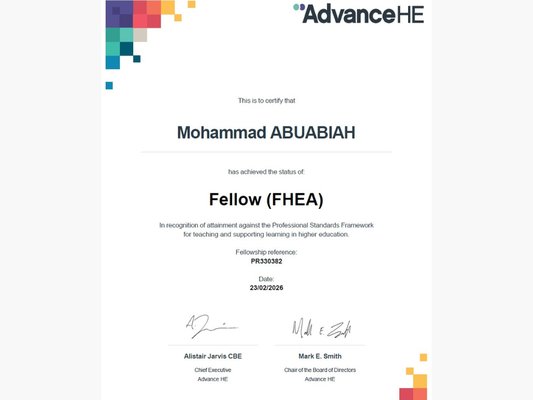
Advance HE Fellowship certificate

Formal recognition

Advance HE Fellowship (FHEA) provides formal international recognition of teaching quality, confirming alignment with the UK Professional Standards Framework and impact on student learning and innovation.

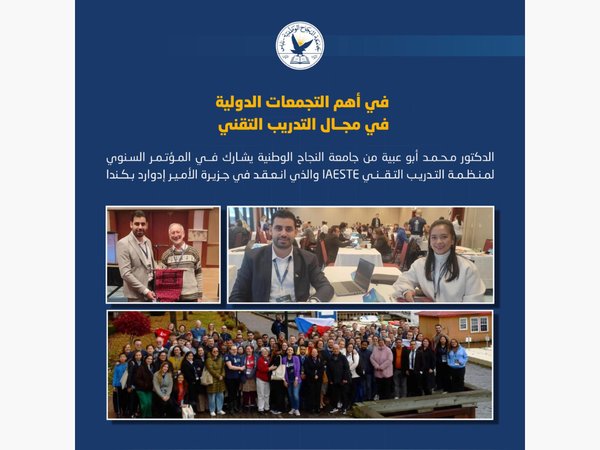
IAESTE international collaboration visit

Global engagement

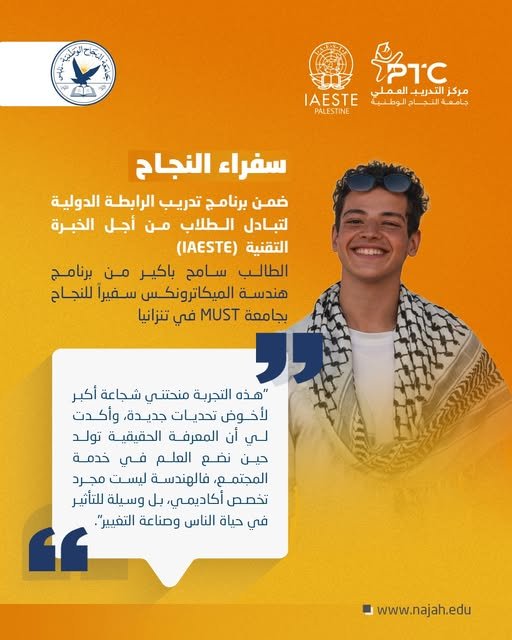
nternational visits, collaborative meetings, and hosted exchanges demonstrate how the model translates into real global pathways for students and academic partnerships.

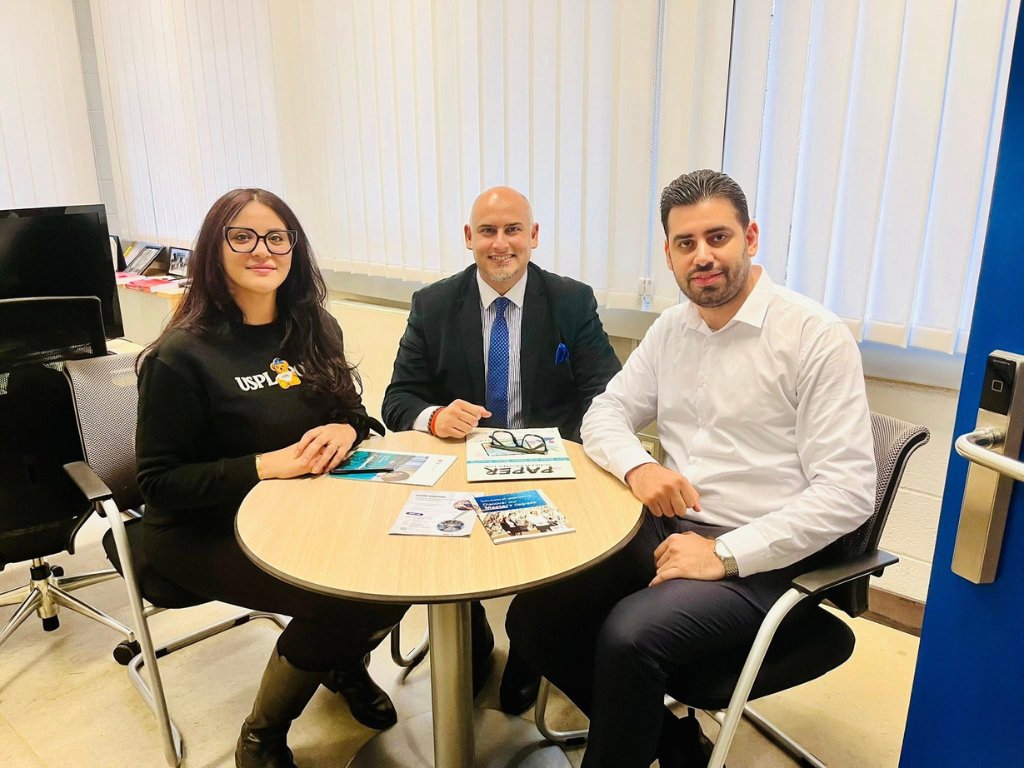
Professional networking

External endorsement

Meetings with Prof. Ines Chihi (AE3S Lab, University of Luxembourg) and Dr. Osaid Mattar (IAESTE President) demonstrate how academic and international networks support student transition from classroom to global practice.

Visual Evidence

Enabling global student pathways through IAESTE collaboration

Student journeys from classroom to global experience, enabled through Dr Abuabiah’s IAESTE network

Digital Footprint

Public evidence of student success, recognition, and international presence

Selected public posts and media features provide visible evidence of student transition to international placements, formal recognition of teaching excellence, and growing international presence.
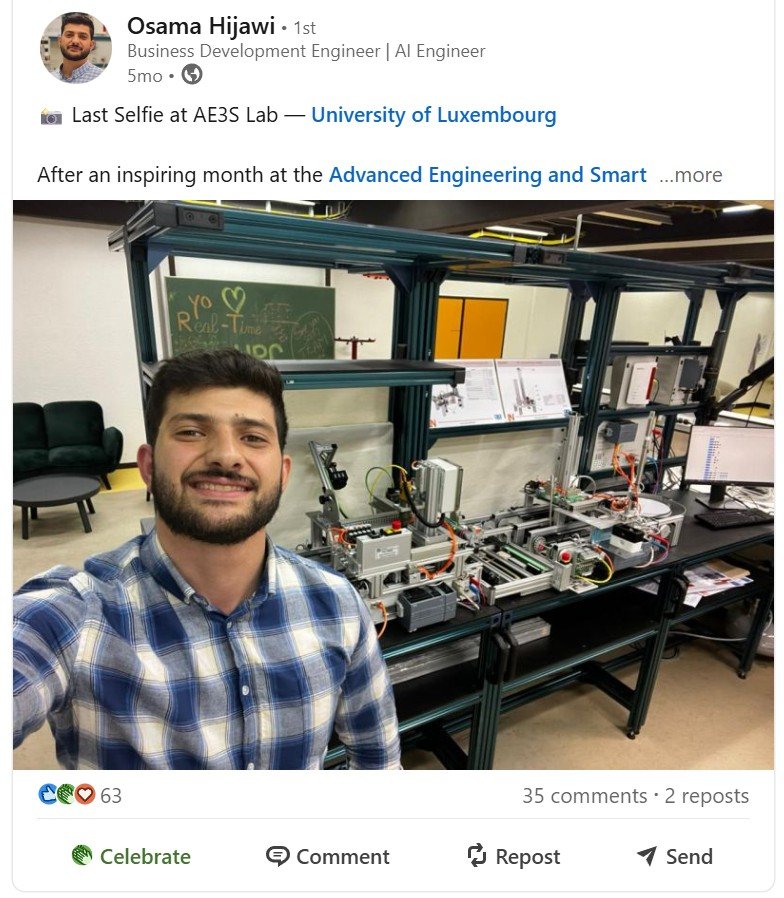
STUDENT SUCCES
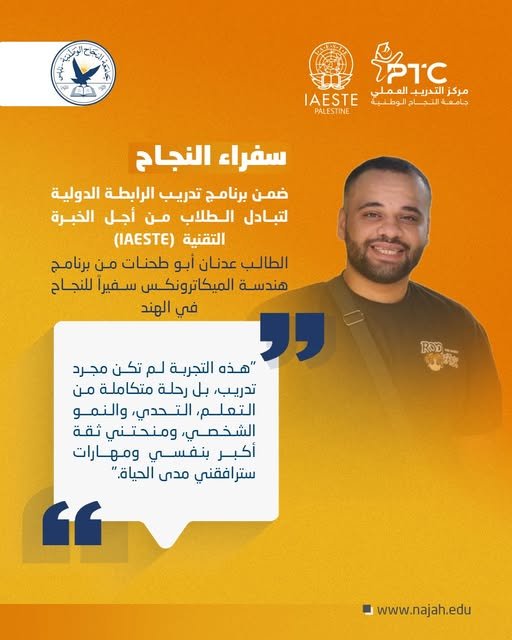
International placement story
Show a student transition from classroom learning to international placement, highlighting applied skills and real-world impact.
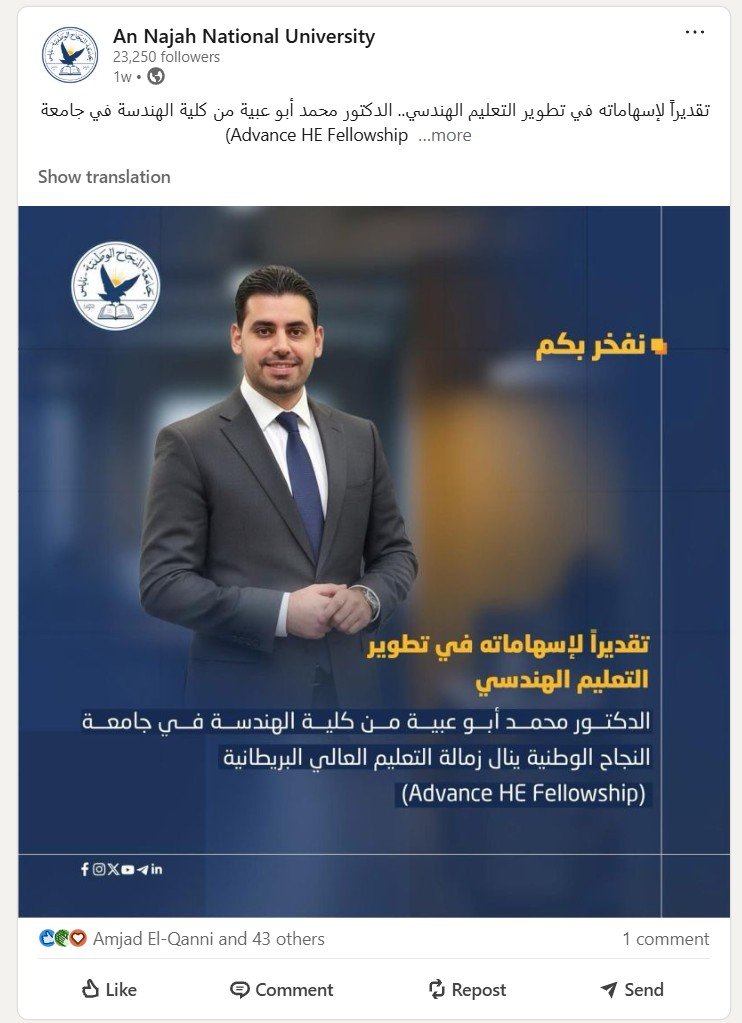
RECONGNTION
Advance HE Fellowship or teaching milestone
Highlight formal recognition that validates teaching quality and connects directly to the educational approach and student outcomes.
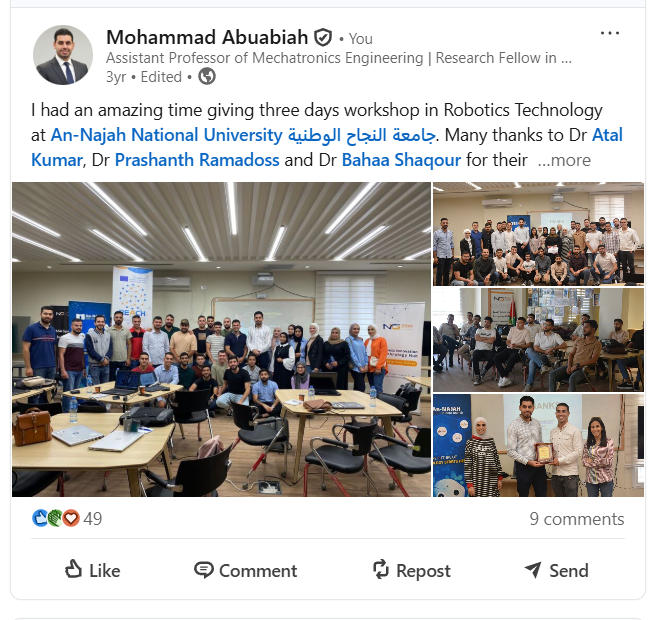
COLLABORATION
International collaboration and global presence
Internationally delivered workshops at ANNU connect students directly with global expertise, reinforcing the model’s credibility and reach.

Scalability

Why this model can travel beyond one classroom

A strong award page should show not only impact, but also transferability and relevance to wider engineering education.

Transferable pedagogy

The model is rooted in course design, assessment structure, and peer review rather than expensive infrastructure.

Cross-disciplinary potential

Stand & Defend can be adapted across engineering disciplines where students must justify decisions and communicate professionally.

International relevance

Discussions with partners, placements, and endorsements indicate potential for wider adoption beyond the local context.

Engineering education is not only about knowledge It is about identity

Through Stand & Defend, students do not only learn engineering concepts. They learn to present, justify, question, defend, and operate as engineers in the world beyond the classroom

ص. ب. 7‏، نابلس، فلسطين