An-Najah National University (ANNU) is proud to be a leading institution that embraces all perspectives and ensures non-discrimination on the grounds of age, disability, marriage or civil partnership, pregnancy and maternity, race, religion or belief, or sex in all decisions regarding student admissions, progression, and support services. Committed to fostering an inclusive, equitable, and diverse academic environment, ANNU empowers all students, faculty, and staff to feel valued and respected.

OUR MISSION
To build a university community that embraces diversity as a core strength, embeds equity in all aspects of campus life, and actively practices inclusion. An-Najah National University aspires to be a regional leader in social justice and DEI, ensuring every community member feels seen, heard, and respected, and where diverse perspectives drive innovation, learning, and social impact.
OUR VISSION
The DEI Committee advances equity, diversity, and inclusion by creating a safe, supportive, and respectful environment. Through advocacy, education, policy development, community engagement, and institutional accountability, the committee strives to dismantle barriers, promote equal opportunity, and cultivate a culture of belonging for all students, faculty, and staff.
The EDI Committee Structure
The Diversity, Equity, and Inclusion (DEI) Committee at An-Najah National University (ANNU) is a multidisciplinary body comprising senior leadership and key representatives from academic and administrative units. This structure ensures a coordinated, strategic, and institution-wide approach to advancing diversity, equity, inclusion, and human rights.

Committee Chair
Prof. Waleed Sweileh | Dean of Scientific Research and World University Rankings
Provides overall leadership and strategic direction for DEI initiatives, ensures alignment with the university’s vision, and oversees the effective implementation of policies and programs

Academic Affairs Representation
Dr. Abdulsalam Alkaiyat | Vice President for Academic Affairs
Promotes the integration of DEI principles across curricula, teaching practices, and academic policies to ensure inclusivity across all disciplines
Administrative & HR Representation
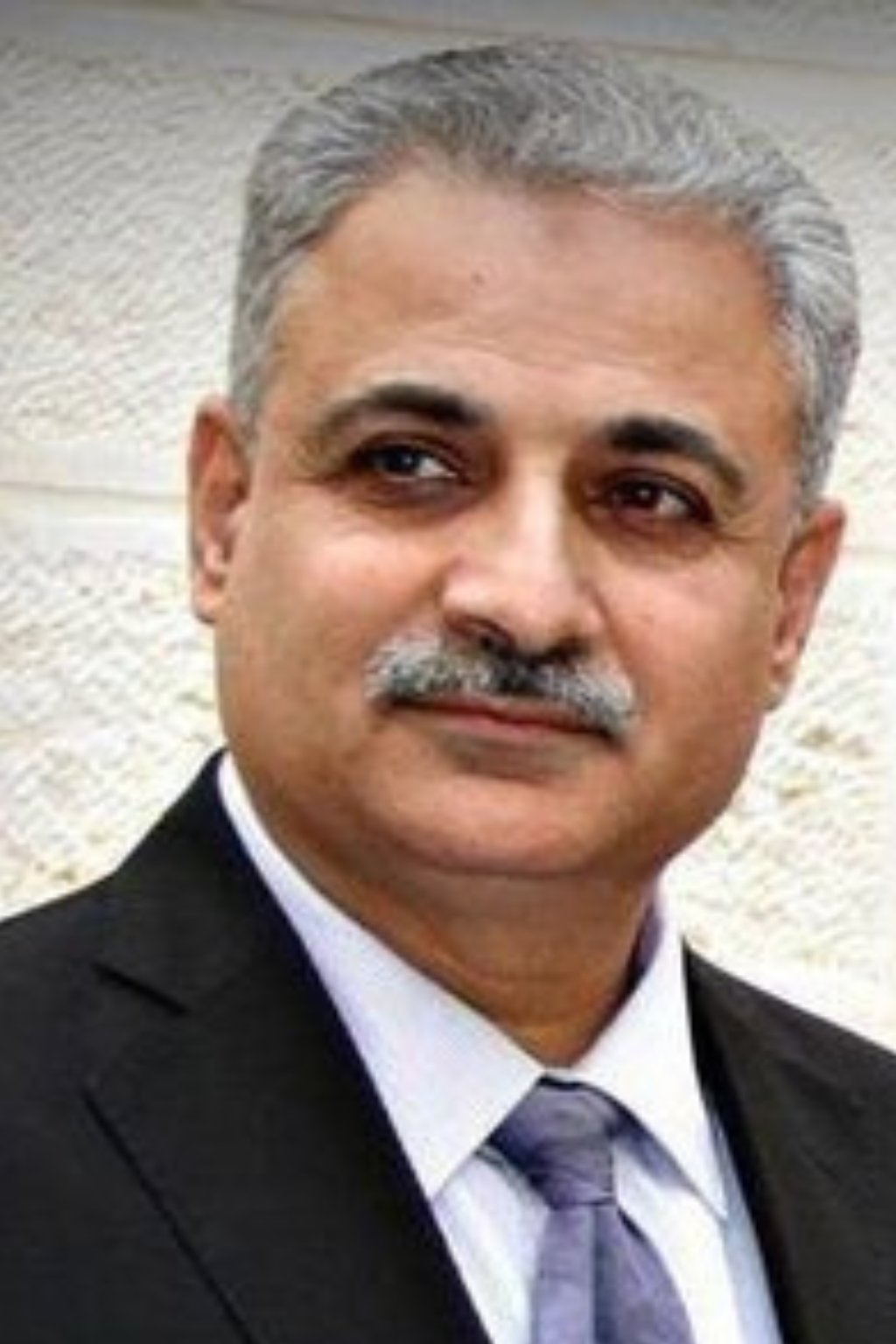
Dr. Saed Al-Koni | Vice President for Administrative Affairs
Oversees inclusive recruitment, hiring practices, and workplace policies, ensuring equity across all employment processes

Student Affairs Representation
Eng. Mohammed Daqqa | Dean of Student Affairs
Supports student welfare and leads initiatives that ensure equal opportunities, inclusion, and engagement for all students, particularly underrepresented groups
Legal & Compliance Representation
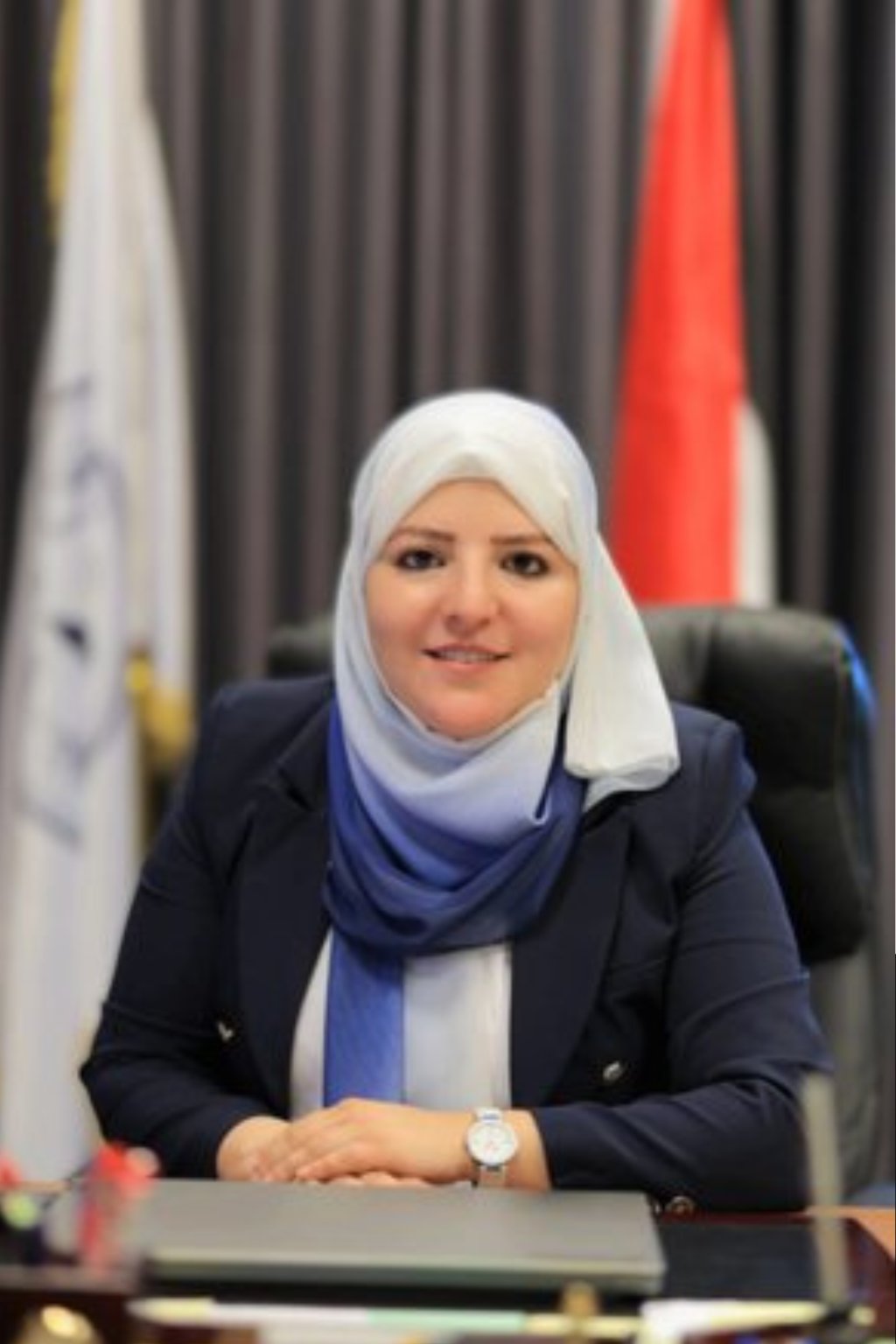
Dr. Noor Adas | Dean of the Faculty of Law and Political Science
Ensures that all DEI policies and practices comply with national legislation and international human rights and anti-discrimination standards

Policy Development and Governance
Dr. Naeem Salameh | Vice President Assistant for Academic Affairs
Leads the development, review, and enhancement of DEI-related policies, frameworks, and governance mechanisms

Human Rights, Education, and Awareness
Dr. Sanaa Alsarghali | UNESCO Chairholder on Human Rights, Democracy, and Peace
Designs and delivers training programs, awareness campaigns, and educational initiatives on diversity, inclusion, and human rights

Community Engagement Representation
Mr. Raed Debiy | President's Assistant for Community Affairs
Strengthens partnerships with external stakeholders and promotes community-based initiatives that advance social inclusion and equity

Accessibility and Inclusion Services
Dr. Khalil Issa | President's Assistant for Logistics and Infrastructure Affair
Ensures accessible infrastructure and services, advocating for the inclusion and full participation of persons with disabilities across campus
Functions and Roles of the DEI Committee
The Diversity, Equity, and Inclusion (DEI) Committee at An-Najah National University (ANNU) serves as the university’s central advisory and operational body, responsible for advancing diversity, equity, inclusion, and human rights across all institutional functions. The Committee ensures that DEI principles are systematically embedded within governance, academic practices, administrative processes, and community engagement.
The Committee provides overall strategic direction for DEI initiatives, ensuring alignment with the university’s vision and overseeing the effective development, implementation, and evaluation of policies and programs.
Four Pillars Operationalizing Equity and Human Rights
Governance & Compliance
Strategic Leadership and Governance: Providing high-level guidance to university leadership on DEI policies, frameworks, and best practices, while ensuring their effective integration into institutional strategies and decision-making processes.
Policy Development and Implementation: Leading the development, review, and enhancement of DEI-related policies, and ensuring their alignment with national legislation and international human rights and anti-discrimination standards.
Data Monitoring, Evaluation, and Reporting: Collecting and analyzing institutional data to identify gaps, monitor progress, and assess the impact of DEI initiatives, including the publication of periodic and annual DEI reports.


Academic & Student Integration
Academic and Institutional Integration: Promoting the integration of DEI principles across curricula, teaching methodologies, research, and academic policies to ensure inclusivity across all disciplines.
Student Inclusion and Support: Enhancing student welfare by ensuring equal opportunities, engagement, and targeted support for underrepresented and disadvantaged student groups, including scholarships and mentorship programs.
Workforce & Infrastructure
Inclusive Workforce Practices: Overseeing equitable recruitment, hiring, and workplace policies, and fostering a diverse and inclusive working environment for all staff.
Accessibility and Infrastructure: Promoting inclusive campus environments by improving accessibility and ensuring that infrastructure and services support the full participation of persons with disabilities.


Capacity Building & Community
Capacity Building and Awareness: Designing and delivering training programs, workshops, and awareness campaigns on diversity, inclusion, cultural competence, gender equality, disability inclusion, and human rights.
Collaboration and Community Engagement: Fostering collaboration across academic and administrative units, and strengthening partnerships with external stakeholders to promote social inclusion and community impact.
Reporting and Evaluation
The DEI Committee reports directly to the Office of the President and senior administration. Regular assessments, progress reports, and recommendations are submitted to ensure transparency, accountability, and continuous enhancement of DEI initiatives.
Relevant Support Centers
-
Human Resources Department: Supports inclusive employment and professional development.
-
Deanship of Student Affairs: Coordinates student engagement and equity programs.
-
Disability Support Office (DSO): Provides accommodations and accessibility solutions.
-
Deanship of Scientific Research: Monitors data, evaluates impact, and informs policy decisions.
-
Community Services Center: Fosters partnerships and outreach to external stakeholders.